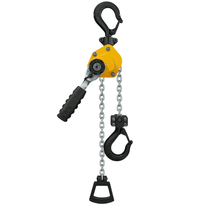
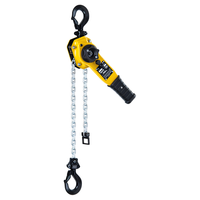
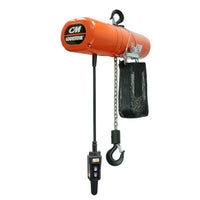
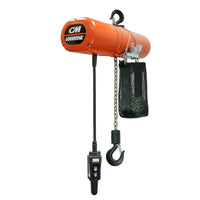
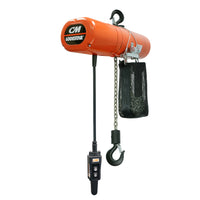
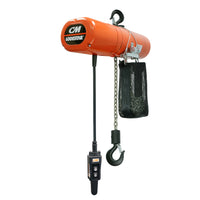
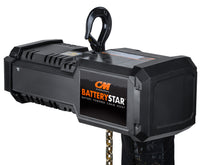
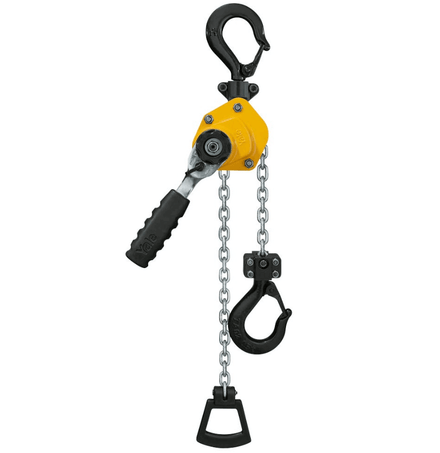
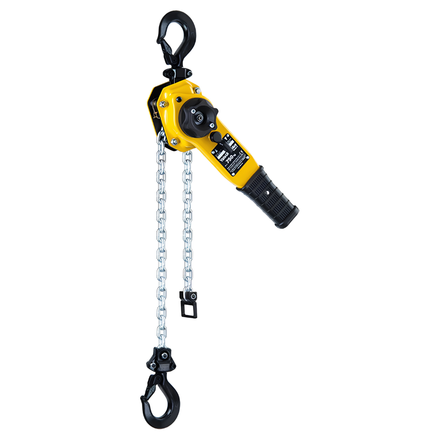
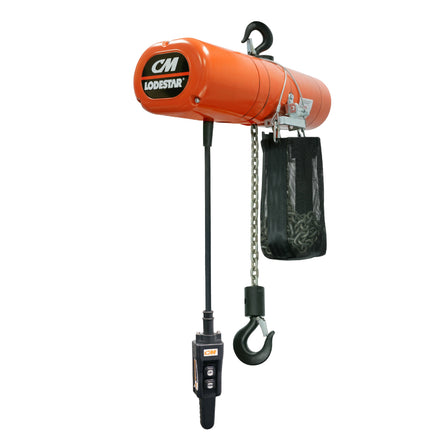
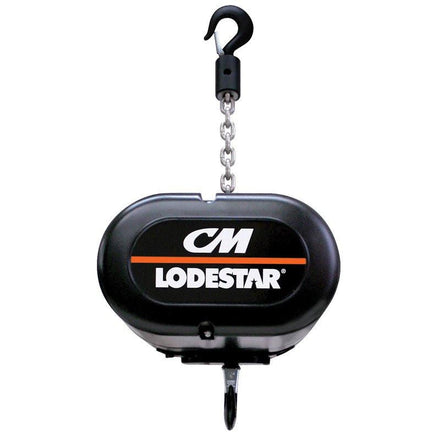
Chain hoists are used across construction, manufacturing, maintenance, entertainment and other industries where loads need to be lifted and positioned safely and efficiently. However, choosing the right hoist involves more than simply matching the load to a lifting capacity.
Factors such as hoist type, working load limit, lifting height, operating speed, headroom and control method can all affect which model is best suited to an application. Below, we’ll look at some of the key features to consider when choosing a chain hoist.
Manual vs Electric Chain Hoists
One of the first decisions when choosing a chain hoist is whether a manual or electric model is better suited to the job. Manual chain hoists are operated by pulling a hand chain and do not require a power supply, making them useful for occasional lifting, maintenance work and locations where electricity is unavailable or impractical.
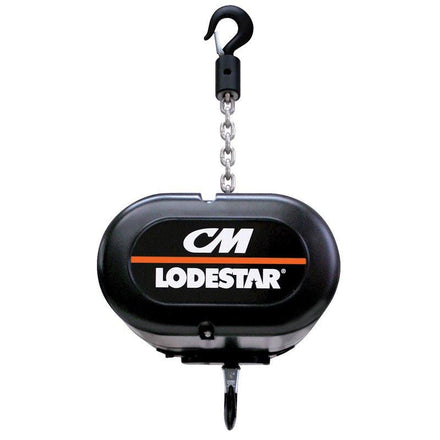
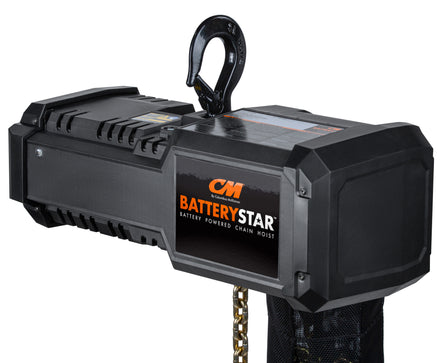
Electric chain hoists use a powered motor to raise and lower the load, making them better suited to applications involving frequent lifting, longer operating periods or heavier loads. They can also provide more consistent lifting speeds and reduce the physical effort required from the operator. The best option will depend on how often the hoist will be used, the load being handled and the working environment.
Working Load Limit
The Working Load Limit (WLL) indicates the maximum load a chain hoist is designed to lift under its specified operating conditions. Chain hoists are available across a wide range of capacities, from compact models for lighter lifting tasks to industrial hoists capable of handling several tonnes.
When selecting a hoist, the WLL should comfortably cover the maximum expected load. It is also important to consider the weight of any lifting accessories, below-the-hook equipment or attachments that form part of the load. A hoist should never be used above its rated capacity.
Lift Height & Chain Length
Capacity is not the only measurement that matters. The required height of lift determines how much load chain is needed and can have a significant impact on the suitability of a hoist for a particular installation.
Standard chain lengths may be suitable for workshops and lower-height lifting applications, while stages, warehouses and industrial facilities can require considerably longer lifts. Before choosing a model, consider the distance between the hoist and the lowest point the load needs to reach, as well as the available mounting height.
Some hoists can be supplied with alternative chain lengths, making it important to check the available configuration rather than assuming the standard lift will suit every application.
Lifting Speed & Control
Lifting speed is particularly important when comparing electric chain hoists. A faster lifting speed can improve productivity where loads need to be moved repeatedly, while slower or variable-speed operation can provide greater control when accurate positioning is required.
Some electric hoists are available with single-speed or dual-speed operation, giving the operator greater control when approaching the final lifting position. The most suitable setup depends on whether speed, positioning accuracy or a combination of both is the priority.
For manual hoists, operating effort and the amount of hand-chain travel required should also be considered, particularly when the hoist will be used frequently.
Headroom & Hoist Size
Headroom is the vertical distance taken up by the hoist between its suspension point and load hook. This can be especially important in areas with restricted overhead clearance, where every centimetre of available lifting height matters.
Compact hoists or models designed with reduced headroom can help maximise usable lifting space in workshops, warehouses, production facilities and other confined environments. When comparing models, look beyond the overall dimensions and consider how the hoist will sit within the complete lifting setup.
Suspension & Trolley Options
Chain hoists can be installed in several ways depending on how the load needs to move. A hook-suspended hoist is suitable where lifting takes place from a fixed point, while trolley-mounted systems allow the hoist to travel horizontally along a suitable beam.
Depending on the application, trolley options may include push, geared or powered designs. Push trolleys are moved manually along the beam, geared versions use a hand chain for greater control, and powered trolleys are better suited to applications where frequent horizontal movement is required.
The beam dimensions, hoist capacity and trolley rating all need to be compatible when putting together a complete lifting system.
Safety & Load-Holding Features
Safety features vary between chain hoist models, so they should always be checked against the individual product specification rather than assumed to be standard across every hoist.
Depending on the model, features may include mechanical load brakes, overload protection, limit switches, slip clutches and emergency-stop controls. Electric hoists may also incorporate upper and lower travel limits to help prevent the hook from travelling beyond its intended operating range.
These features support safer operation, but they do not replace correct installation, inspection, maintenance or operator training.
Power Supply & Controls
For electric chain hoists, the available power supply is another important consideration. Models can differ by voltage, phase and control system, so the electrical requirements of the hoist need to match the site where it will be installed.
Control options can include pendant controls, low-voltage control systems and, on selected models, remote operation. Cable length and control position should also be considered so that the operator can maintain a suitable view of the load throughout the lifting process.