

Loppers
Discover our range of loppers from Bahco, Fiskars, Kent & Stowe, Faithfull, Bulldog and Roughneck, covering bypass, anvil, ratchet and telescopic models for cutting branches too thick for secateurs.
Loppers extend the same cutting principles as secateurs onto longer handles, giving the extra leverage needed to cut through thicker branches with less effort. Choosing the right pair depends on branch thickness, whether reach matters, and how much hand strength you want to save on tougher cuts.

33 products
Loppers – Product list
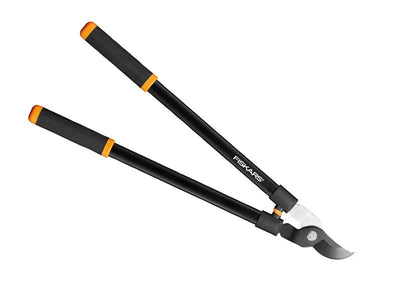
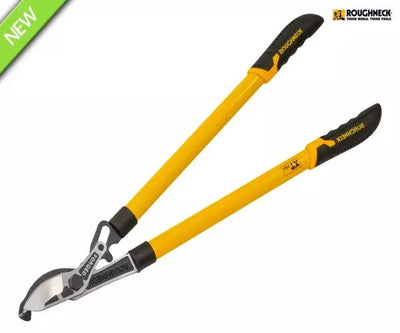
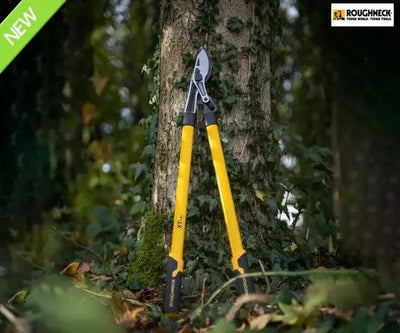
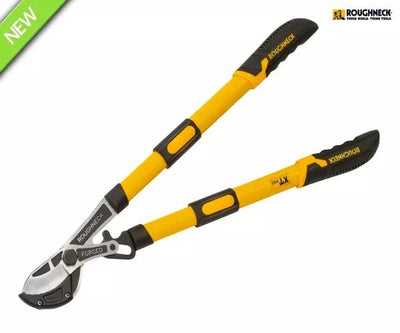




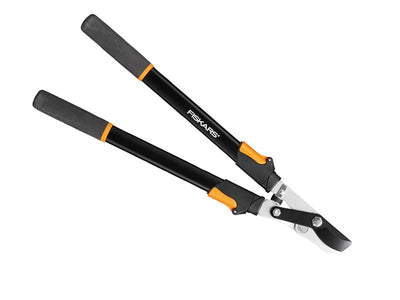
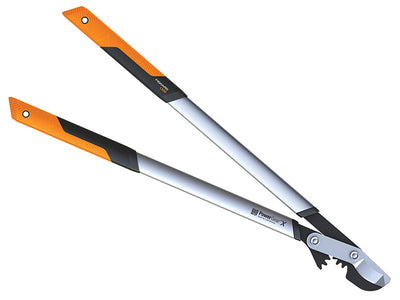


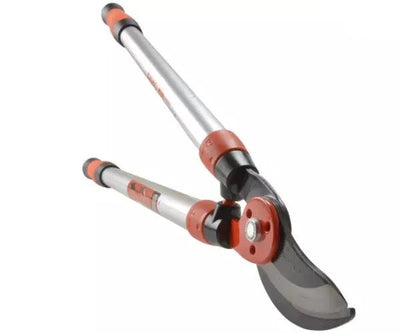
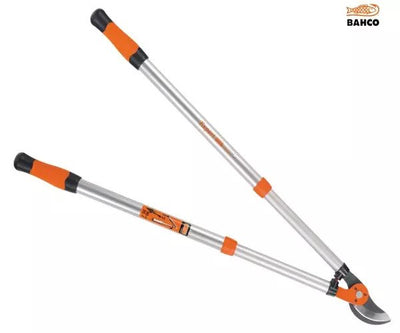
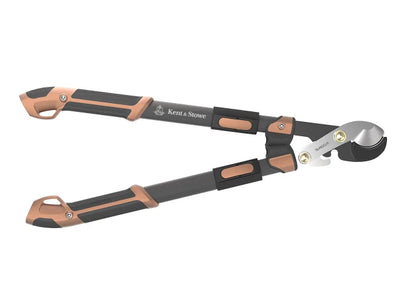
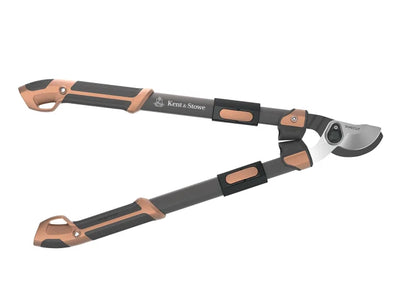
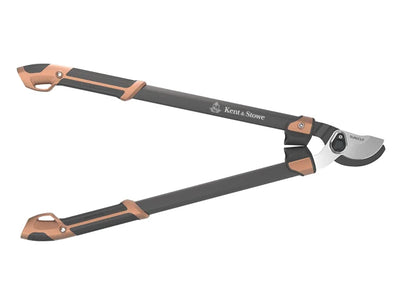


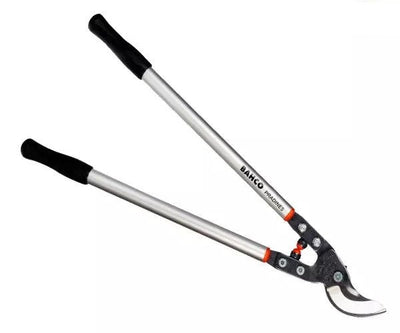
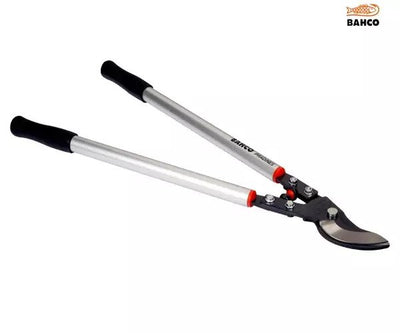
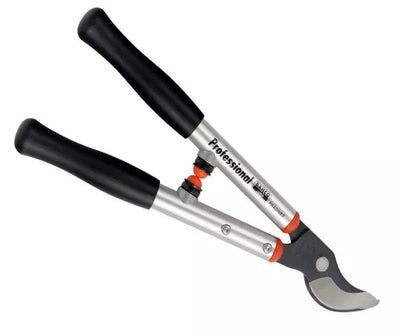
Bypass loppers for clean cuts
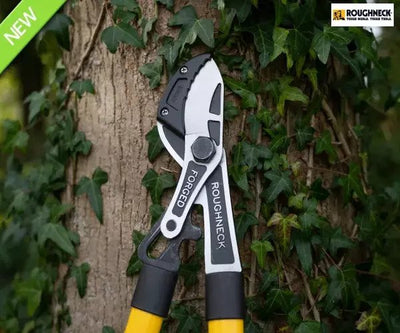
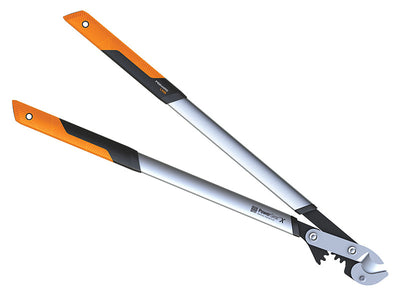
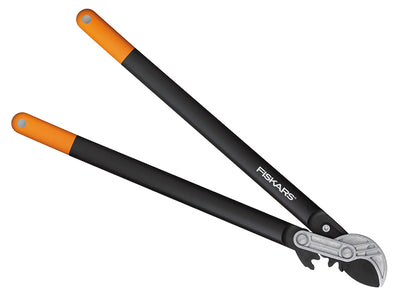
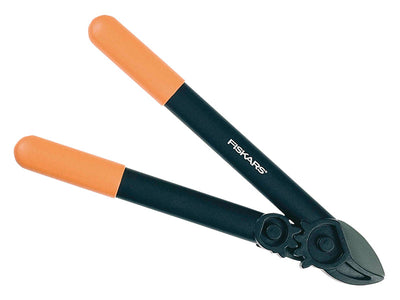
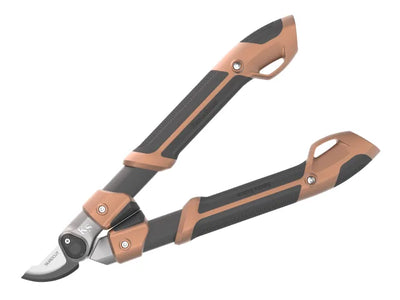
Bypass loppers use two curved blades that pass by each other, giving a clean cut that minimises damage to live branches. The range spans everything from the Roughneck XT Pro Bypass Loppers to Fiskars' PowerGear X range, such as the PowerGear X Large, which uses a rolling-joint mechanism to multiply cutting force through thicker branches.
Anvil loppers for dead wood and thicker branches
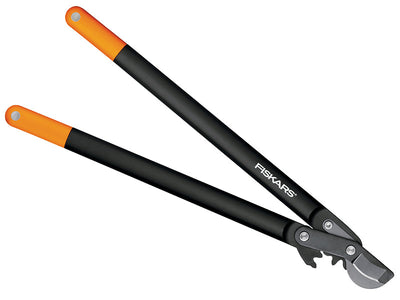
Anvil loppers close a single blade onto a flat surface, giving more crushing power suited to dead or tougher woody branches that would strain a bypass blade. The Roughneck XT Pro Anvil Loppers and Fiskars PowerGear Anvil Loppers cover this heavier cutting work, though anvil loppers are generally less precise on live, delicate growth.
Ratchet loppers for reduced effort
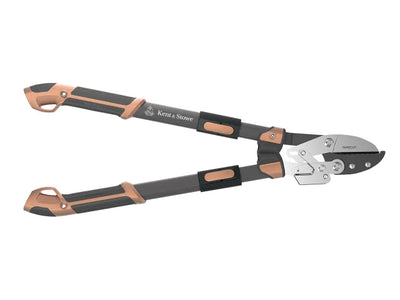
Ratchet loppers, such as the Kent & Stowe SureCut Extra Power Hard Wood Ratchet Anvil Loppers and Faithfull Countryman Ratchet Anvil Lopper, cut in stages rather than one full squeeze, reducing the hand strength needed for thick or tough branches over a long pruning session.
Telescopic loppers for extra reach
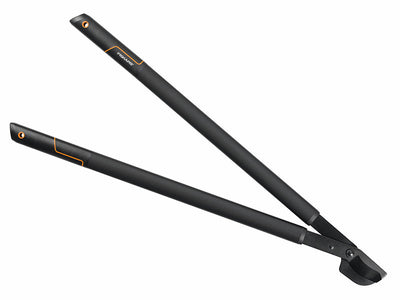
Telescopic loppers, like the Roughneck XT Pro Telescopic Bypass Loppers and Fiskars SmartFit Telescopic Loppers, extend handle length to reach higher branches without a ladder, useful for taller shrubs and small trees where standard-length loppers fall short.
Heavy-duty and traditional loppers
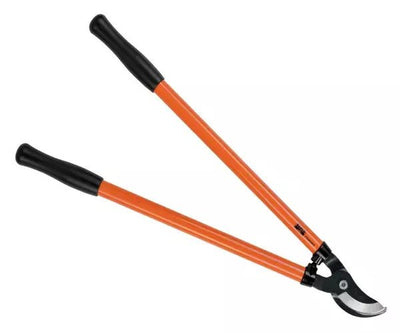
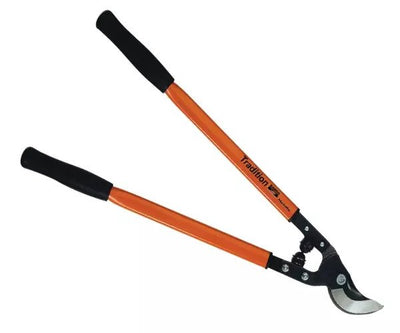
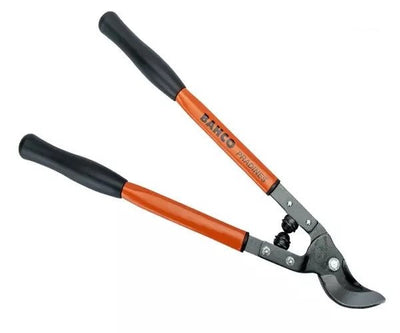
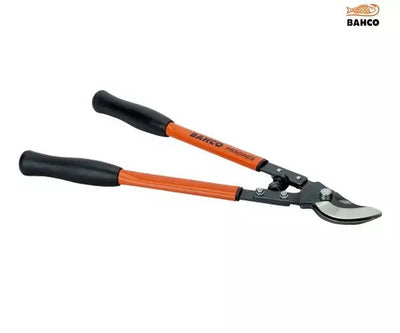
For the most demanding cutting jobs, the Bahco P19-80 Lopping Shears and P16 Traditional Loppers give substantial cutting capacity for thick, established branches, built for regular professional use rather than occasional garden tidying.
Choosing the right cutting capacity
Most loppers state a maximum cutting diameter, and exceeding it risks damaging the blade or straining the handle joint. Match the lopper's rated capacity to the thickest branches you expect to cut regularly, and step up to a bow saw or pruning saw for anything beyond a lopper's stated range.
Complete your garden kit
For finer pruning work, see our Secateurs range, or browse our full Cutting & Pruning collection for saws and hedge shears. For our full range of tools across every trade, browse the Tools section. If you're after seasonal advice on caring for your garden tools, read our Gardening Tools and Tips blog post.
Why buy your loppers from MTN Shop
All loppers sold here are genuine stock from Bahco, Fiskars, Kent & Stowe, Faithfull, Bulldog and Roughneck. We ship fast across the UK with straightforward returns on unused stock. For trade or bulk orders, request a quote and our team will confirm stock and lead time directly. For any other questions, contact us and our team will be happy to help.