

Fuel Generators
Fuel generators and modular petrol-driven site equipment for portable power and water handling on construction sites, in workshops, on farms, at events and in emergency response applications. This is the collection for small builders, groundworkers, drainage contractors, landscape contractors, agricultural users, flood response crews and event organisers who need occasional generator power or water pumping capability without committing to dedicated single-purpose machines.
The current range is built around the Evolution Evo-System, a genuinely different approach to portable petrol equipment: a single 6.5Hp petrol engine module that accepts multiple interchangeable attachments, so one motor covers both generator and water pumping duties. Features across the range: 6.5Hp Evo-System Engine (EVO200) as the shared power base, 2.4kW generator output attachment (GEN2800) for portable site power, dirty water pump attachment (DWP1000) for site drainage and dewatering, and modular quick-swap design that lets one operator convert between functions on site without tools.
The brand here is Evolution Power Tools, the British Sheffield-based specialist known for the multi-material blade disc cutter range and for engineering practical modular solutions for the small contractor and site user.

3 products
Fuel Generators – Product list
Fuel generators and Evo-System modular petrol equipment at MTN Shop UK
Portable petrol-driven equipment is essential kit for site work away from mains power, agricultural work in remote locations, drainage and flood response, event setups and any application where a mains supply is not available or not sufficient. Traditionally, contractors bought dedicated single-purpose machines: a petrol generator for jobsite power, a separate petrol water pump for site drainage or fuel transfer, and any other petrol tool as its own standalone machine - each with its own engine to maintain, its own storage requirement, and its own cost. Evolution took a different approach with the Evo-System: a single petrol engine base module that accepts multiple interchangeable attachments, so one motor covers what previously required two or three separate machines. The Fuel Generators collection at MTN Shop UK is currently built around this Evo-System range.
How the Evo-System works
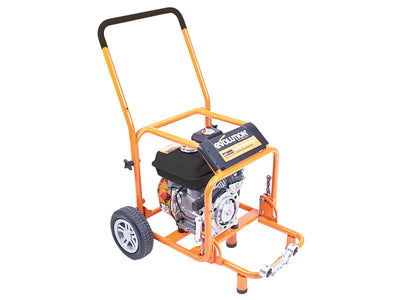
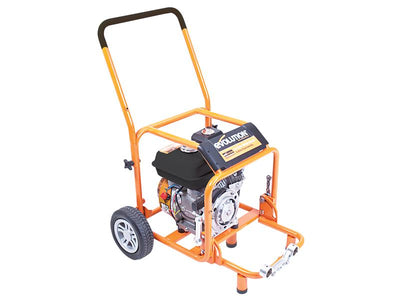
The Evolution Evo-System is a modular petrol engine platform where the Evolution EVO200 Evo-System Engine 6.5Hp is the shared base module - a 6.5 horsepower 4-stroke petrol engine on a wheeled frame. The engine module by itself does nothing useful; it is the power source for the attachments. The two attachments in the current range fit onto the same engine module:
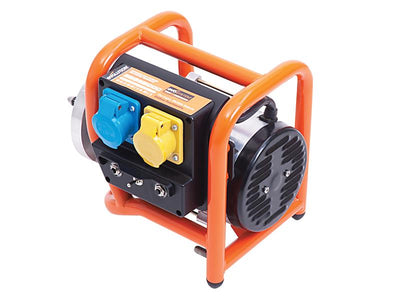
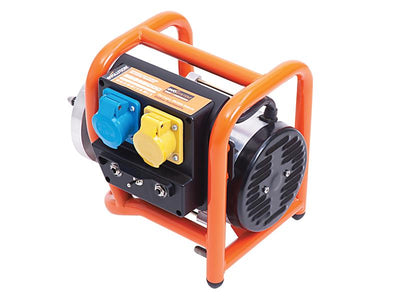
- Evolution GEN2800 Evo-System Generator Output 2.4kW: turns the engine into a portable site generator with 2.4kW continuous output for powering site tools, lighting, small equipment and general portable AC power needs.
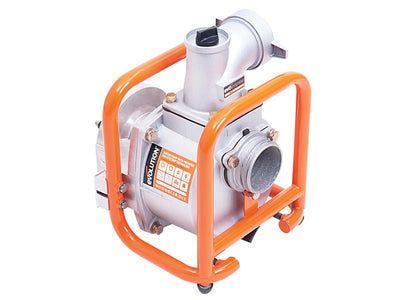
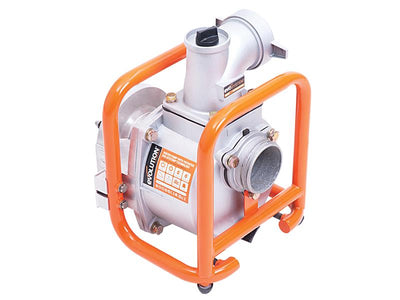
- Evolution DWP1000 Evo-System Dirty Water Pump: turns the engine into a portable water pump specifically for "dirty water" applications - pumping water containing solids, silt, mud and debris up to typical trash pump specification. Used for site drainage, excavation dewatering, flood water removal and general water transfer where clean water pumps would clog.
To switch between generator and pump duties, the operator removes the current attachment from the engine module and fits the alternative. The change takes a few minutes and does not require special tools. One engine, one maintenance schedule (spark plug, air filter, oil, fuel), one machine to store - but two site capabilities available.
When the Evo-System makes sense
The Evo-System is the right specification for contractors and users who need both generator and water pump capability occasionally, but not so continuously that dedicated single-purpose machines would be justified. Typical users:
- Small builders and groundworkers: occasional site power for tools on remote jobs, plus occasional dewatering of excavations before foundation work.
- Drainage contractors: primary use is the dirty water pump for excavation work, with occasional generator capability for site tools and lighting.
- Landscape contractors: occasional generator for hedge trimmers, blowers and power tools on garden sites away from mains, plus water transfer for irrigation or pond work.
- Farm and smallholding users: water transfer between tanks, animal drinking water supply, occasional generator for tools and outdoor lighting.
- Allotment groups and community gardens: shared kit for occasional generator use plus water transfer for larger irrigation events.
- Emergency response and flood crews: dewatering flood-affected buildings and areas, plus generator power for temporary lighting and small equipment during response operations.
- Event contractors: temporary power for small events, plus water handling for portable toilets, catering setups and cleaning duties.
When dedicated single-purpose equipment is better
The Evo-System is not the right choice for every application, and it is worth being honest about the limitations:
- Continuous generator use all day, every day: if the primary use is running site tools on remote projects for full shifts continuously, a dedicated generator (Honda EU series, Champion, Hyundai) delivers longer sustained runtime, better fuel economy per hour, and more refined power quality (particularly important for sensitive electronic tools).
- Continuous heavy dewatering: for major flood response, tank farm dewatering, or continuous industrial pumping, a dedicated heavy-duty petrol pump (Honda WT trash pumps, Koshin, similar) delivers higher continuous flow rates and better long-run reliability than a modular pump attachment.
- Simultaneous generator and pump use: the Evo-System cannot run generator and pump at the same time - the shared engine only powers one attachment at a time. If both functions are needed simultaneously, two separate machines are required.
- Users prioritising minimum weight per function: dedicated single-purpose units are typically lighter for their specific function than the Evo-System module + attachment combination.
Evolution EVO200 Evo-System Engine 6.5Hp (the base module)
The Evolution EVO200 is a 6.5 horsepower 4-stroke air-cooled OHV petrol engine mounted on a wheeled frame with handle for portability. Standard specifications for this class of engine typically include: recoil pull-start ignition, standard petrol (unleaded 95 RON) fuel with SAE 10W-30 4-stroke oil, air filter and spark plug as basic service items. The frame includes wheels and a handle for moving the machine around site. As the base module for the Evo-System, the EVO200 is not usable without an attachment - it is bought together with (or in advance of) the GEN2800 generator attachment, the DWP1000 pump attachment, or both.
Evolution GEN2800 Evo-System Generator Output 2.4kW
The Evolution GEN2800 is the generator attachment for the Evo-System: a frame-mounted alternator that fits onto the EVO200 engine module and delivers 2.4kW continuous AC power at UK 230V 50Hz standard. Peak/surge power capacity is typically higher than continuous rating to allow starting inductive loads (motor-driven tools). Applications:
- Powering handheld electric tools: drills, drivers, saws, small angle grinders (check tool wattage against generator rating).
- Site lighting: LED site lights, halogen floods, temporary festoon lighting.
- Small equipment: pumps, small compressors (occasional), fans, battery chargers for cordless tools.
- Emergency backup power: essential circuits during power outages (with appropriate isolation and safety measures).
The 2.4kW rating is suitable for small trade tools and light equipment. For heavier tools (large angle grinders, big saws, welders, air compressors), higher-capacity dedicated generators (5kW+ output) are the correct specification.
Evolution DWP1000 Evo-System Dirty Water Pump
The Evolution DWP1000 is the dirty water pump attachment for the Evo-System: a trash pump specification centrifugal pump that fits onto the EVO200 engine module. "Dirty water" specification means the pump handles water containing solids up to typical trash pump limits (silt, mud, small debris, leaves, small stones) that would clog or damage clean water pumps. Applications:
- Excavation dewatering: removing groundwater from foundation excavations, trenches, drainage runs before construction.
- Flood water removal: emergency removal of standing water from flooded buildings, basements, low-lying areas.
- Site drainage: clearing collected water from work areas during and after rainfall.
- Agricultural water transfer: moving water between tanks, ponds, ditches on farm and smallholding work.
- Pool and pond drainage: emptying swimming pools, garden ponds, water features for maintenance.
- Slurry and mixed-solid pumping: within the pump's rated solids handling capacity.
For clean water applications (borehole pumping, potable water transfer, aquarium filling), a dedicated clean water pump is more appropriate - the dirty water pump's clearances allow debris passage that reduces efficiency on pure water applications.
Safety and standards
- Never operate in enclosed spaces: petrol engines produce carbon monoxide (CO) - a colourless, odourless toxic gas that causes death from inhalation in enclosed spaces. Always operate outdoors or in fully ventilated open areas.
- Fuel storage per COSHH: petrol is highly flammable and volatile. Store per the Control of Substances Hazardous to Health Regulations 2002 (COSHH) - approved containers, away from ignition sources, in ventilated storage. Domestic maximum storage is typically 30 litres in approved containers.
- Hot exhaust hazards: the exhaust silencer and engine surfaces become very hot in use - allow to cool before storage or transport, keep away from combustible materials.
- Refuelling safety: stop the engine, allow to cool, refuel in a well-ventilated area, wipe up spills before restarting.
- Generator electrical safety: use with appropriate RCD (residual current device) protection, do not overload beyond continuous rating, never connect to house wiring without proper isolation switch (Grid-tie connections require professional electrical installation).
- Pump priming and operation: follow manufacturer instructions for pump priming - running a centrifugal pump dry damages the seal. Check inlet strainer is clear before starting.
- PUWER 1998 (Provision and Use of Work Equipment Regulations) applies to work use.
- Hearing protection: petrol engines are loud - wear safety eyewear and hearing protection during operation.
- Fuel emissions: UK non-road petrol engines are governed by Stage V emissions requirements under the Non-Road Mobile Machinery regulations.
Related categories
The Fuel Generators collection sits under our wider power tools category. For related site power and portable equipment, see our on-site radios and lighting range (for site lighting that would be powered by the generator), batteries for cordless site tools that reduce dependence on generator power, and lubricants, oils and maintenance for the 4-stroke engine oil and fuel treatments needed for petrol engine maintenance. For dedicated pumps beyond the Evo-System, see the wider industrial range. For essential PPE for petrol equipment operation, see our safety eyewear, safety gloves, safety boots and respiratory protection ranges. For workshop machinery, see our workshop machines collection.
For trade orders, small contractor kits, drainage contractor supply, agricultural user equipment or specific Evolution Evo-System references, request a quote and our team will get back to you with availability.