

Forks
Discover our range of garden forks from Kent & Stowe, Bulldog, Faithfull and Roughneck, covering digging, border and trenching forks for breaking up and turning soil.
A fork's tines penetrate compacted or stony ground more easily than a solid blade, making it the right tool for breaking up soil, lifting root vegetables, aerating lawns, and turning compost without slicing through roots the way a spade can.

21 products
Forks – Product list
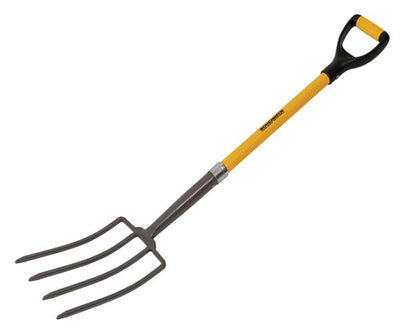
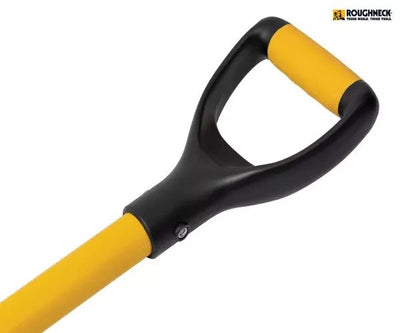


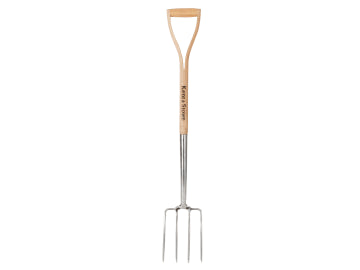


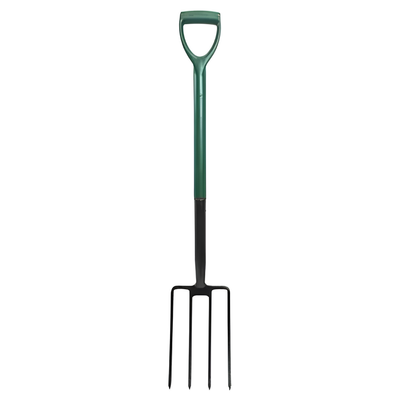


Digging forks
Digging forks are the general-purpose choice for breaking up and turning soil, from the Roughneck Digging Fork and Faithfull Essentials Digging Fork through to premium options like the Kent & Stowe Stainless Steel Digging Fork, where the smooth finish resists soil sticking to the tines during heavy use.
Border forks
Border forks, such as the Faithfull Countryman Border Fork and Kent & Stowe Stainless Steel Border Fork, use a smaller head than a standard digging fork, giving more precise control for working close to established plants, in raised beds, or in tight borders where a full-size fork would risk damaging nearby roots.
Trenching and contractor's forks
For heavier ground-breaking work, the Bulldog Trenching Fork and Faithfull All-Steel Contractor's Fork are built with a stronger tine profile suited to breaking compacted ground, clay soil, and site-level digging beyond typical garden use. The Bulldog Premier Insulated Trench Fork adds an insulated shaft for safer digging near buried cables.
Tine spacing and soil type
Fork tines are typically spaced to break through soil while letting smaller debris pass between them, unlike a spade's solid blade. This makes forks especially effective in heavy clay or stony soil where a spade would struggle to penetrate cleanly, and useful for lifting root vegetables without slicing through them.
Blade materials
Stainless steel tines, common across the Kent & Stowe and Faithfull Prestige ranges, resist soil sticking and corrosion better than standard carbon steel, making repeated digging noticeably easier in heavy or clay soils. Carbon steel remains a durable, cost-effective option for general use. Where wooden handles are used, FSC certification, seen across the Kent & Stowe range, confirms the timber comes from responsibly managed forests.
Complete your digging kit
For spades and shovels to pair with your fork, see our Digging & Turning range. For our full range of tools across every trade, browse the Tools section. If you're after seasonal advice on caring for your garden tools, read our Gardening Tools and Tips blog post.
Why buy your forks from MTN Shop
All forks sold here are genuine stock from Kent & Stowe, Bulldog, Faithfull and Roughneck. We ship fast across the UK with straightforward returns on unused stock. For trade or bulk orders, request a quote and our team will confirm stock and lead time directly.