Waterproof Work Boots: Safety Boots vs Safety Shoes Explained

Learn about waterproof work boots, water-resistant safety footwear, safety boots vs safety shoes, and how to choose the right footwear for wet working conditions.


Waterproof Work Boots: Safety Boots vs Safety Shoes Explained

Choosing the right safety footwear depends on the job, the conditions and the level of protection needed. For wet, muddy or changing environments, waterproof work boots can offer better coverage and water protection. For dry indoor work, safety shoes or safety trainers may be lighter, more flexible and more comfortable for long shifts.

It can also be confusing when footwear is described as waterproof, water-resistant or water-repellent. Ratings such as S3 and WR can help, but they do not always mean the same thing.

In this guide, we compare safety boots, safety shoes and safety trainers, explain waterproof vs water-resistant work footwear, and help you choose the right option for your working environment.

Safety Boots vs Safety Shoes: What’s the Difference?

The main difference between safety boots and safety shoes is the level of coverage. Safety boots usually cover the ankle, while safety shoes sit lower on the foot and look more like standard work shoes or trainers.

Safety boots are often chosen for tougher working environments because they can provide more ankle support, better coverage and added protection from knocks, mud, water and site debris. They are commonly used for construction, outdoor work, groundwork, utilities, engineering, warehouses and industrial sites.

Safety shoes are usually lighter and more flexible. They can be a practical choice for indoor work, dry environments, workshops, logistics, manufacturing and jobs where workers spend long hours walking or standing on hard floors.

Neither option is automatically better than the other. The right choice depends on the job, the working conditions, the level of protection required and how much comfort or mobility the wearer needs throughout the day.

Waterproof vs Water-Resistant Work Footwear

Waterproof and water-resistant are often used together, but they do not mean the same thing.

Waterproof work boots are designed to give stronger protection against water entering the footwear. They are usually the better choice for outdoor work, wet ground, mud, heavy rain, groundwork, utilities and jobs where the wearer is likely to be exposed to water for longer periods.

Water-resistant or water-repellent safety footwear can help protect against light moisture, splashes or occasional wet conditions, but it is not usually designed for prolonged exposure to water. This type of footwear may be suitable for indoor work, light outdoor tasks or environments where water exposure is limited.

The key point is to match the footwear to the conditions. If you are regularly working in wet, muddy or exposed areas, waterproof safety boots are usually the safer and more practical choice. If you work mainly indoors or only deal with occasional splashes, water-resistant safety shoes or trainers may be enough.

Are S3 Safety Boots Waterproof?

S3 safety boots are often used for outdoor work, construction and site environments, but an S3 rating does not always mean the boot is fully waterproof.

In general, S3 footwear includes features such as toe protection, anti-static properties, heel energy absorption, penetration-resistant midsole protection, a cleated outsole and resistance to water penetration and absorption through the upper. This can make S3 boots suitable for many outdoor jobs, but it does not always mean the whole boot is waterproof.

For wet, muddy or exposed work, it is important to check the full product specification. Look for terms such as waterproof, WR, waterproof membrane, sealed seams or whole-footwear water resistance. These details give a better indication of whether the boot is suitable for regular wet conditions.

If you are unsure what ratings such as SB, S1, S2, S3, S4, S5, WR, HRO or SRC mean, read our Safety Boot Ratings Explained guide for a clearer breakdown of common safety footwear codes.

Safety Boots, Safety Shoes or Safety Trainers: Which Is Best for Wet Work?

The best choice depends on how wet the job is, how much ankle coverage you need and whether comfort or protection matters most.

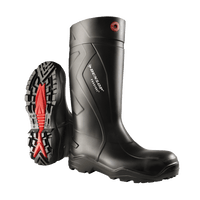
Waterproof Safety Boots

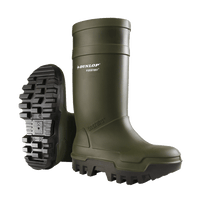
Waterproof safety boots are usually the best choice for outdoor work, construction sites, muddy ground and exposed environments where water protection matters. They offer more coverage around the foot and ankle, which helps in harsher conditions, although they may feel heavier or warmer than lower-cut footwear.
Waterproof Safety Boots

Cold Weather Safety Boots

Cold Weather Safety Boots
For cold, wet and exposed jobs, insulated waterproof boots can be the better option. They are more suitable than standard safety shoes or trainers when you need both water protection and extra warmth during long shifts outdoors.

Safety Shoes

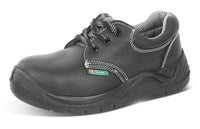
Safety shoes are often better suited to dry indoor work, workshops and lighter industrial jobs where comfort and flexibility are important. Some can handle occasional moisture, but they usually offer less ankle coverage and are not normally the best option for consistently wet or muddy ground.
Safety Shoes

Safety Trainers

Safety Trainers
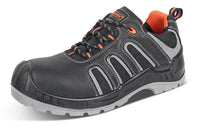
Safety trainers are a practical choice for warehouses, logistics, workshops and long shifts where lighter footwear is preferred. They can be comfortable for everyday wear, but unless they are specifically designed for water protection, they are not usually the best choice for wet working conditions.

Which Safety Footwear Is Best for Your Job?

Use the table below as a quick guide when choosing between waterproof work boots, safety shoes and safety trainers.

Job or Environment Best Footwear Type Why
Outdoor construction and site work Waterproof safety boots Better coverage, ankle support and protection for wet, uneven or demanding site conditions
Wet or muddy ground Waterproof work boots Designed to help keep water out during regular exposure to rain, mud or wet ground
Warehousing and logistics Safety shoes or safety trainers Usually lighter and more flexible for walking, standing and working on dry indoor floors
Workshops and manufacturing Safety shoes or safety boots Choose shoes for comfort and mobility, or boots where extra ankle coverage is needed
Plumbing, washdown or damp areas Waterproof or water-resistant safety footwear Helps protect against splashes, damp floors and occasional water exposure
Long shifts on dry floors Safety shoes or safety trainers Often lighter and more comfortable where waterproof protection is not the main concern

Choosing Safety Footwear at MTN SHOP

Choosing the right safety footwear starts with the conditions you work in. If your job involves wet ground, mud, outdoor sites or changing weather, waterproof work boots are usually the better choice. They offer more coverage and are better suited to environments where keeping water out is important.

For dry indoor work, warehouses, workshops or long shifts on hard floors, safety shoes or safety trainers may be more practical. They are usually lighter and more flexible than boots, while still offering important protection features such as toe protection, slip resistance and midsole protection depending on the model.

Before buying, check the full product specification rather than relying on one word such as waterproof, water-resistant or S3. Look at the safety rating, water protection, slip resistance, toe cap type, midsole protection, outsole grip and overall fit.

Browse our safety boots and safety shoes collections to compare different styles, ratings and protection features.

Frequently Asked Questions


Waterproof work boots are worth it if you regularly work outdoors, on wet ground, in mud, in heavy rain or in exposed site conditions. They help keep water out more effectively than standard safety footwear, making them a better choice when dry feet, comfort and protection matter throughout the working day.
Waterproof safety footwear is designed to give stronger protection against water entering the boot or shoe. Water-resistant or water-repellent footwear can help with light moisture, splashes or occasional wet conditions, but it is not usually intended for prolonged exposure to water.
S3 safety boots are not always fully waterproof. S3 footwear usually includes resistance to water penetration and absorption through the upper, but that does not always mean the whole boot is waterproof. For regular wet work, check the full product specification and look for details such as waterproof construction, WR marking, sealed seams or a waterproof membrane.
Safety boots are better for wet, muddy, outdoor or rough working conditions because they usually provide more ankle coverage and support. Safety shoes are usually lighter and more flexible, making them a practical choice for dry indoor work, warehouses, workshops and long shifts on hard floors.
WR means water resistance for the whole item of footwear. This is different from water-resistant upper protection, which only applies to part of the footwear. If you need boots for regular wet conditions, WR is a stronger indicator than relying on S3 alone. For more help with footwear markings, read our Safety Boot Ratings Explained guide.

Contact Us

Have a question about our products? Get in touch and our team will get back to you.

Contact Us

Request a Quote

Need pricing for a larger order or a custom configuration? Request a tailored quote.

Request a Quote

Subscribe

Get product news and exclusive offers straight to your inbox.