

Solar Panel Cleaning Systems
Our solar panel cleaning systems collection covers everything needed for chemical-free PV maintenance: hyCLEANER solarROBOT cleaning robots, reverse osmosis pure-water systems, high-pressure tools and professional accessories, for both rooftop and utility-scale solar arrays.

38 products
Solar Panel Cleaning Systems – Product list
-
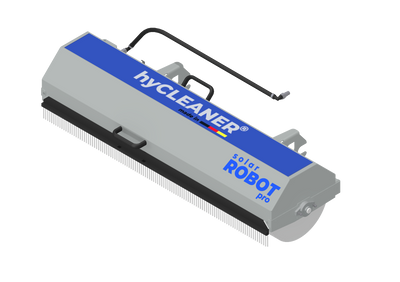
-
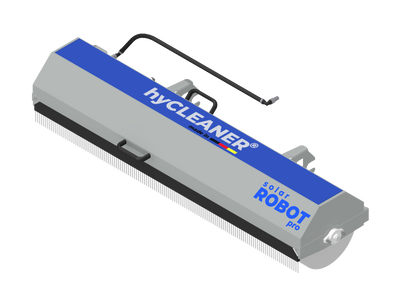
-
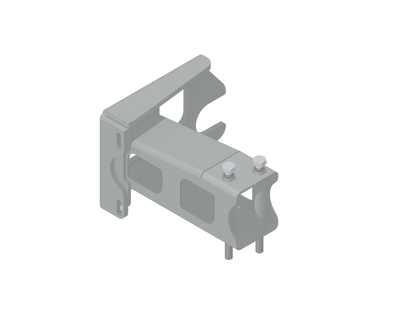
-
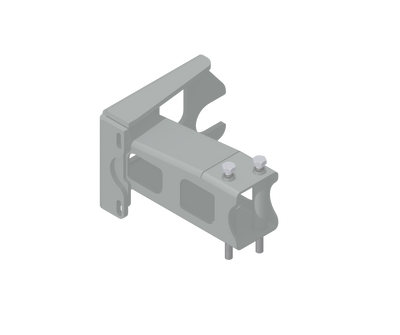
-
-
-
-
-
-
-
-
-
-
-
-
-
-

-

-

-

-

-

-

-


-

-
-
-
-
-
-
-
-
-

-

-

-
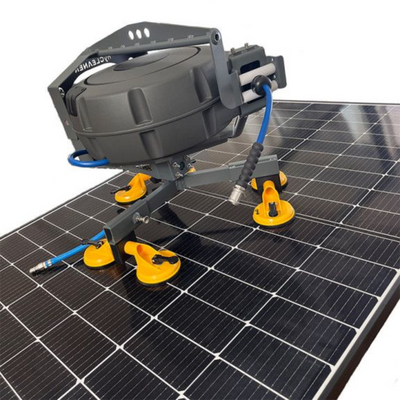
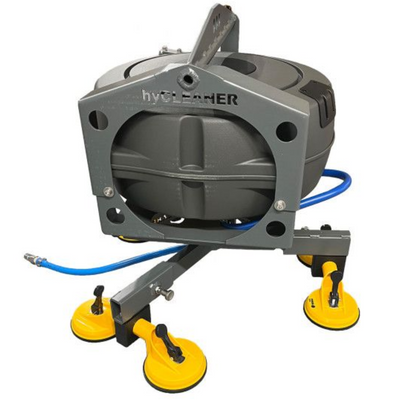 hyCLEANERhyCLEANER® 25 m Hose Reel for solarROBOT Hose Reel · 25m Hose Reel without Double Suction Plate




Why clean solar panels without chemicals
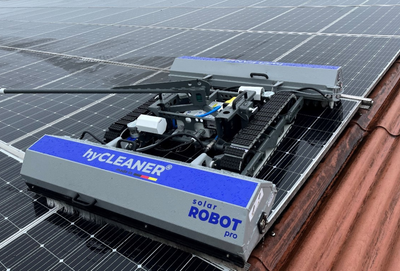
Dust, lichen, pollen and general residue reduce the energy yield of a photovoltaic array over time, and chemical cleaning agents can damage anti-reflective coatings or leave residue that attracts more dirt. hyCLEANER's system is built around pure water cleaning, using either an automated cleaning robot or a hand brush kit fed by a reverse osmosis water supply, so panels dry spot-free without chemical residue and without scratching the module surface.
Choosing between solarROBOT and hand brush systems
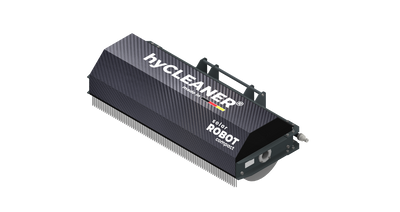
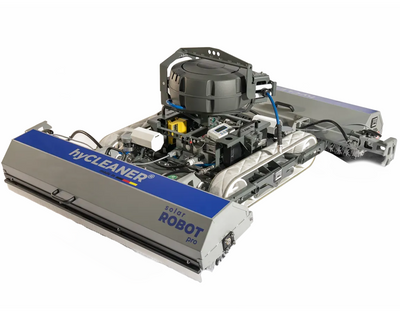
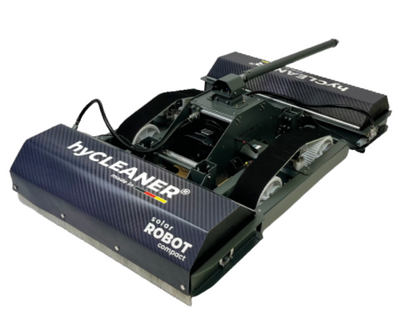
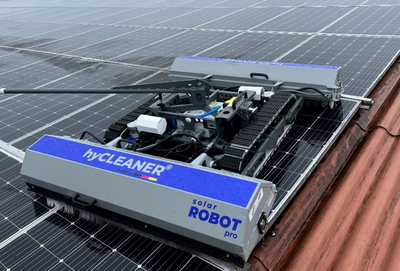
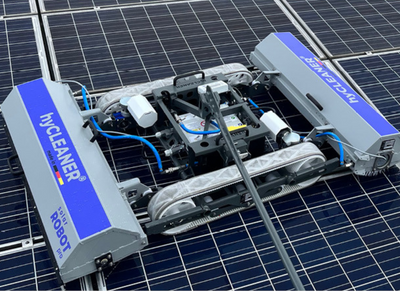
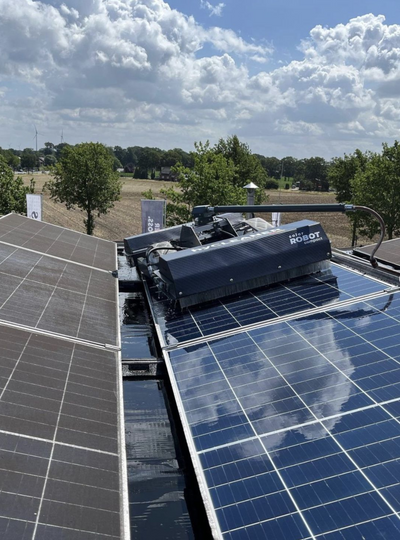
The solarROBOT pro and solarROBOT compact ranges automate cleaning across large rooftop or ground-mounted arrays, reducing labour time on utility-scale sites. For smaller installations or spot cleaning, the hyCLEANER hand brush kits pair a pure water fed brush with a telescopic pole, giving technicians manual control without a robot's setup time. Larger commercial sites often run both: robots for scheduled full-array cleans and hand brush kits for smaller sections or hard to reach edges.
Pure water supply for spot-free results
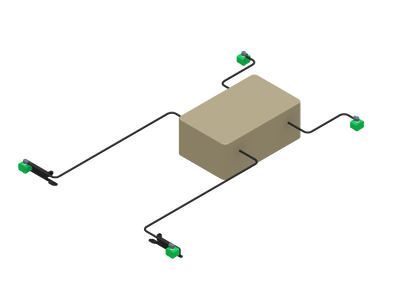
Both the robot and hand brush systems rely on a pure water supply, either from a mobile reverse osmosis unit like the OSMOBIL range or from a fixed frame water supply system for sites with regular cleaning schedules. Pure water leaves no mineral deposits on the panel surface after drying, which matters for maintaining consistent light transmission and energy yield over repeated cleaning cycles. See our full pure water systems range for mobile and fixed options.
Keeping your system running
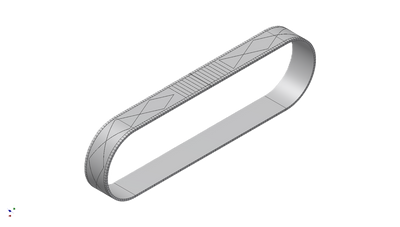
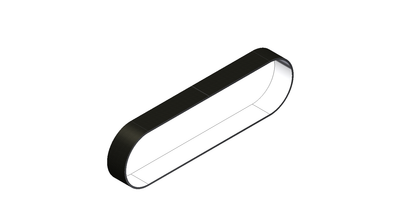
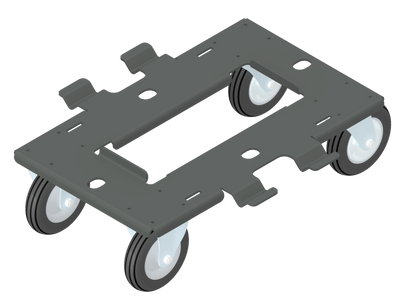
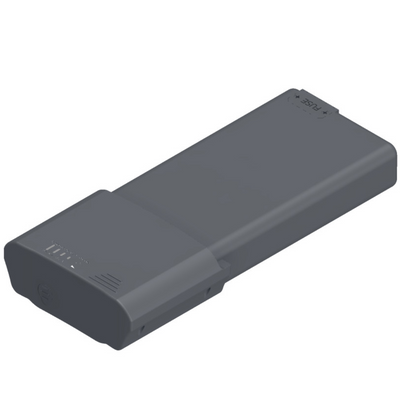
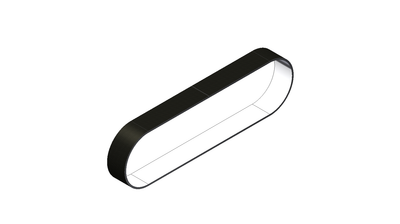
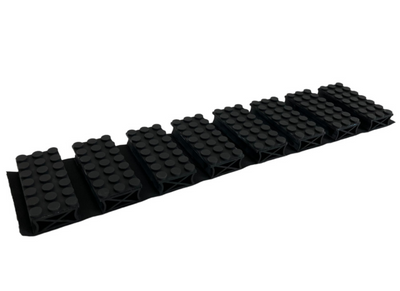
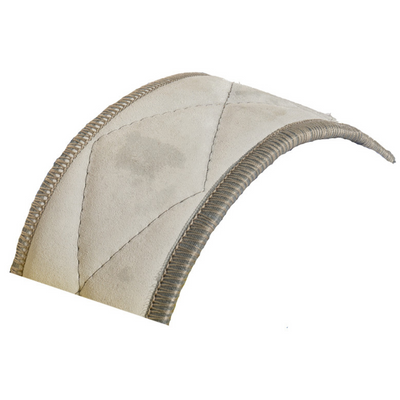
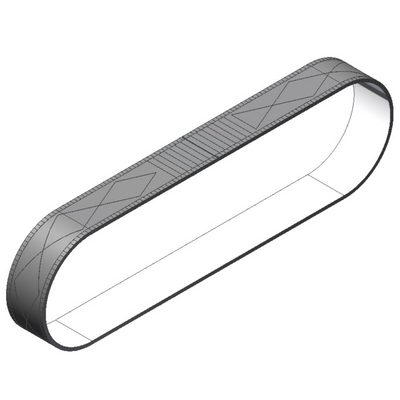
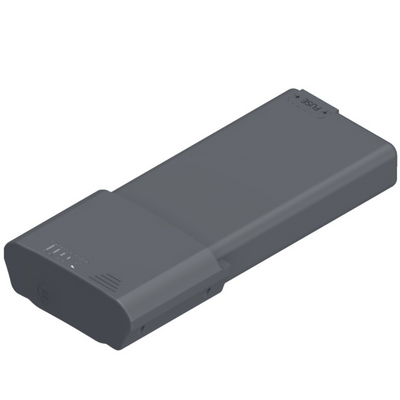
Robots and brush systems both need routine parts replacement to stay effective: traction belts and driving pads wear with use, batteries need periodic replacement, and brush systems benefit from offset configurations on larger arrays to avoid streaking. Our solar panel accessories range covers these replacement parts, while transport and handling accessories and power and charging accessories cover moving and powering the equipment between jobs.
Why buy your solar cleaning equipment from MTN Shop
All hyCLEANER equipment sold here is genuine stock, built for O&M service providers, solar installers and technicians managing both residential and utility-scale sites. We ship fast across the EU with straightforward returns on unused stock. For fleet orders or help specifying the right robot, water system or brush kit for your site, request a quote and our team will confirm configuration and lead time directly.
Is chemical-free cleaning actually effective for solar panels?
Yes, when paired with a pure water supply. Pure water carries no minerals, so it dries without leaving spots or residue, and mechanical brushing removes dust, pollen and light soiling without the coating damage risk that some chemical cleaners carry. Heavier growth like lichen typically needs a dedicated remover alongside the brush system.
Do I need a robot or is a hand brush kit enough?
It depends on array size and access. A cleaning robot suits large rooftop or ground-mounted arrays where manual cleaning would take too long, while a hand brush kit is more practical for smaller residential systems, spot cleaning or areas a robot can't safely reach.
How often should solar panels be cleaned?
Cleaning frequency depends on location and soiling rate rather than a fixed schedule. Sites near agriculture, dusty roads or with heavy pollen exposure need more frequent cleaning than panels in cleaner environments, and lichen growth in humid climates may require a dedicated removal treatment on a longer cycle.
What does the pure water system supply, and do I need my own water source?
Mobile reverse osmosis units like the OSMOBIL range can run from a standard water supply on site, purifying it on demand, while a fixed frame water supply system suits sites with a regular cleaning schedule and a permanent installation point.