TOOLS

Adjustable Spanner Guide: Types, Sizes and Uses

Learn about adjustable spanners, wrench types, sizes and uses, including wide jaw spanners, pipe wrenches, basin wrenches and spanner sets.


Adjustable Spanner Guide: Types, Sizes and Uses

An adjustable spanner is a useful hand tool for tightening and loosening nuts, bolts and fittings of different sizes. Instead of carrying several fixed-size spanners, the adjustable jaw can be opened or closed to fit the fastener you are working with.

Also known as an adjustable wrench or shifting spanner, this tool is commonly used for DIY, plumbing, maintenance, construction, automotive work and general repairs.

In this guide, we explain the main types of adjustable spanners, common sizes, what they are used for, and how to choose the right adjustable spanner for the job.

Adjustable Spanner vs Adjustable Wrench: Is There a Difference?

In most cases, adjustable spanner and adjustable wrench refer to the same type of tool. Both describe a hand tool with an adjustable jaw that can be opened or closed to fit different sizes of nuts, bolts and fittings.

The difference is mostly wording. Adjustable spanner is the more common term in the UK, while adjustable wrench is used more often in the US, but both terms are used interchangeably.

For this guide, we use adjustable spanner as the main term, but also include adjustable wrench because both phrases are commonly used when searching for this type of tool.

Types of Adjustable Spanners and Wrenches

There are several types of adjustable spanners and wrenches, each suited to different jobs. Some are designed for general fastening, while others are better for plumbing, pipework, tight spaces or larger nuts and bolts.

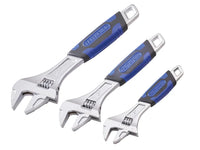
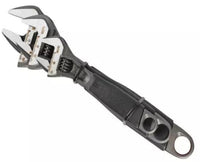
Adjustable Spanner Set

An adjustable spanner set usually includes several sizes, such as small, medium and larger spanners. This gives you more flexibility for different jobs without needing to rely on one tool for everything. A smaller adjustable spanner is useful for tight spaces and lighter tasks, while a larger spanner gives more leverage for bigger fasteners. Sets are a practical choice for workshops, tool kits, maintenance teams and general trade use.
Adjustable Spanner Set

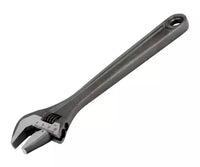
Standard Adjustable Spanner

Standard Adjustable Spanner
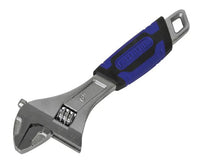
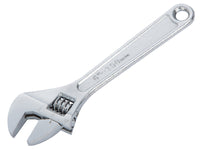
A standard adjustable spanner is the most common type. It has an adjustable jaw that can be opened or closed to fit different fastener sizes, making it useful for general repairs, DIY, maintenance, plumbing and site work. This is a good all-round option for tightening and loosening nuts, bolts and fittings where carrying several fixed-size spanners is not practical. Examples include standard adjustable wrenches from brands such as Bahco, Stanley, Faithfull and BlueSpot.

Wide Jaw Adjustable Spanner

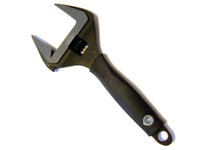
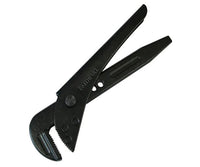
A wide jaw adjustable spanner has a larger jaw opening than a standard spanner of a similar length. This makes it useful when you need a compact tool that can still handle larger fittings. Wide jaw models are especially useful for plumbing, mechanical work, maintenance and jobs where access is limited but the fastener size is larger than expected.
Wide Jaw Adjustable Spanner

Reversible Jaw Adjustable Wrench

Reversible Jaw Adjustable Wrench
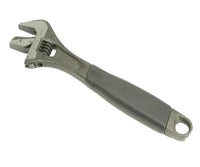
A reversible jaw adjustable wrench is designed to offer extra versatility. Depending on the model, the reversible jaw may allow the wrench to grip certain rounded or pipe-style surfaces more effectively than a standard adjustable spanner. This type can be useful for maintenance, mechanical work and situations where the tool may need to handle both standard fasteners and occasional pipe-style gripping tasks.

Pipe Wrench or Stillson Wrench

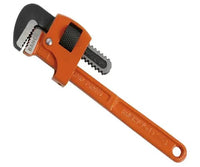
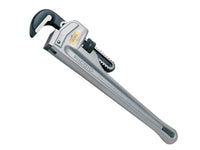
A pipe wrench, sometimes called a Stillson wrench, is different from a standard adjustable spanner. It is designed to grip round objects such as pipes and fittings. Pipe wrenches are commonly used in plumbing, heating, pipe installation and maintenance work. The jaws are designed to bite into round surfaces, so they should not usually be used on finished nuts, bolts or fittings where marking would be a problem.
Pipe Wrench or Stillson Wrench

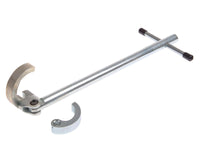
Basin Wrench

Basin Wrench
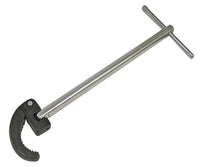
A basin wrench is a specialist plumbing wrench designed for hard-to-reach fittings behind sinks, basins and taps. Its long handle and adjustable head make it useful where a normal adjustable spanner cannot easily reach. This type of wrench is mainly used for tap fittings, basin nuts and plumbing repairs in confined spaces.

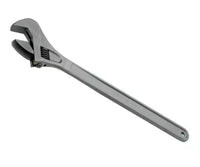
Large Adjustable Wrench

A large adjustable wrench is used for bigger nuts, bolts and fittings where more jaw capacity and leverage are needed. These are better suited to heavier-duty maintenance, industrial work, large equipment and tougher fastening jobs. Because larger wrenches can apply more force, it is important to use the correct jaw fit and avoid using them on fasteners that are too small or delicate.
Large Adjustable Wrench

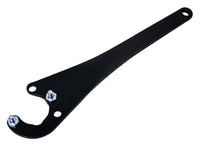
Specialist Adjustable Wrenches

Specialist Adjustable Wrenches
Some adjustable wrenches are designed for more specific tasks, such as grinder locknuts, service keys, torque applications or specialist maintenance work. These are not usually general-purpose adjustable spanners, but they can be useful when the job requires a dedicated tool. For most users, a standard adjustable spanner or adjustable spanner set will cover everyday work. Specialist wrenches are worth considering when the task, access space or fastener type needs something more specific.

Which Adjustable Spanner Is Best for Each Job?

The best adjustable spanner depends on the job, the fastener size and the space you are working in. Use the table below as a quick guide.

Job or Task Best Tool Type Example to Consider
General repairs, DIY and maintenance Standard adjustable spanner Faithfull Contract Adjustable Spanner 150mm
Larger fittings in tight spaces Wide jaw adjustable spanner Bahco 9033 ERGO Extra Wide Jaw Adjustable Wrench 250mm
Building a general tool kit Adjustable spanner set Faithfull Adjustable Spanner Set 3 Piece
Mixed fastening and occasional pipe-style gripping Reversible jaw adjustable wrench Bahco 9071P Black ERGO Adjustable Wrench Reversible Jaw
Plumbing, heating and pipework Pipe wrench / Stillson wrench Faithfull Lever Action Pipe Wrench 230mm (9in)

Bahco 361-24 Stillson Type Pipe Wrench 600mm (24in)
Tap fittings and hard-to-reach basin nuts Basin wrench Faithfull Adjustable Basin Wrench 6-25mm
Grinder locknuts and specialist tasks Specialist adjustable wrench BlueSpot Tools Adjustable Grinder Pin Spanner

Choosing Adjustable Spanners at MTN SHOP

Choosing the right adjustable spanner comes down to the job, the fastener size and the space you are working in. A standard adjustable spanner is a practical choice for general repairs and maintenance, while wide jaw models, pipe wrenches, basin wrenches and specialist adjustable wrenches are better suited to more specific tasks.

For more options, browse our wrenches collection to compare adjustable spanners, pipe wrenches, basin wrenches and other hand tools for trade, DIY, plumbing and maintenance work.

Frequently Asked Questions


An adjustable spanner is used to tighten and loosen nuts, bolts and fittings of different sizes. Its adjustable jaw makes it useful for general repairs, plumbing, maintenance, DIY, automotive work and site tasks where carrying multiple fixed-size spanners is not practical.
Yes, in most cases they refer to the same tool. Adjustable spanner is the more common UK term, while adjustable wrench is more common in the US. You may also hear it called a shifting spanner.
The right size depends on the fasteners and space you are working with. A 150mm spanner is useful for small fittings and tight spaces, while 200mm to 250mm options are practical for general work. Larger spanners provide more leverage but can be harder to use in confined areas.
An adjustable spanner is designed for flat-sided fasteners such as nuts, bolts and fittings. A pipe wrench is designed to grip round objects such as pipes and threaded fittings. A pipe wrench has toothed jaws, so it can mark surfaces and should not usually be used on finished fittings.
An adjustable spanner may slip if the jaws are not tightened closely around the fastener, if the tool is worn, or if the nut or bolt is already rounded. For the best grip, adjust the jaws firmly against the flat sides of the fastener and avoid using a damaged or loose tool.

Contact Us

Have a question about our products? Get in touch and our team will get back to you.

Contact Us

Request a Quote

Need pricing for a larger order or a custom configuration? Request a tailored quote.

Request a Quote

Subscribe

Get product news and exclusive offers straight to your inbox.