
Plate Lifting Clamps
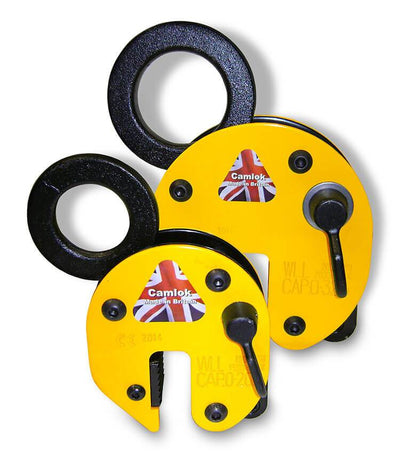
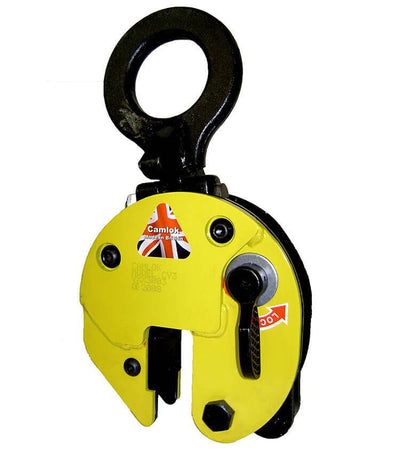
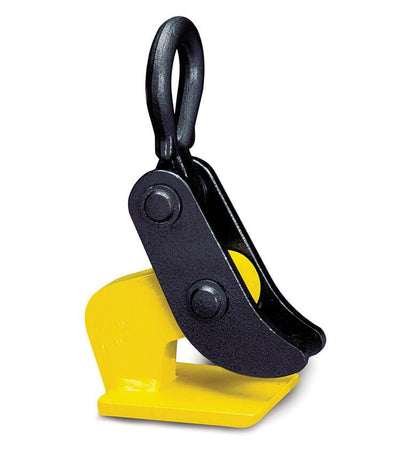
Camlok plate lifting clamps for lifting, turning and transporting steel plate. Vertical clamps (CZ, CX, CY, 92 Series, HG, TJC, wide jaw), horizontal clamps (CH, THK, ACH, RH), screw clamps (TSH, TSZ) and non-marking clamps (LJ, TSB) for finished surfaces.

Loading…
15 products
View
Plate Lifting Clamps – Product list
-

-
-
-
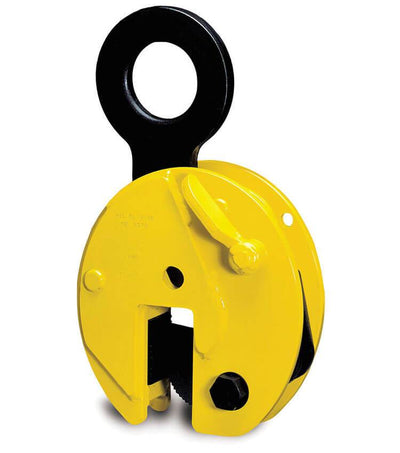 CamlokCamlok Vertical Plate Clamps CZ 100-3000Kg with Safety Lock Capacity(KG)/Jaw Capacity(mm) · 100-1000/0-20
-
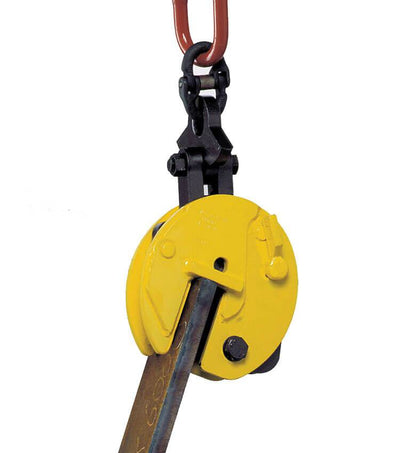 CamlokCamlok Vertical Plate Clamps CX 220-10,000Kg (Side Loading) Capacity(KG)/Jaw Capacity(mm) · 220-1500/0-20
-
-
-
-
-
-
-
-
-
-
How to Choose a Plate Clamp
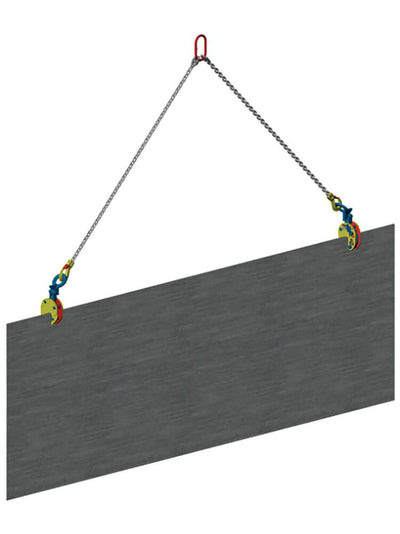
Three things decide the right plate clamp: the direction of lift, the plate thickness and the surface of the plate. Check the jaw opening and working load limit of each model, and inspect clamps before every use.
Plate Clamp Types
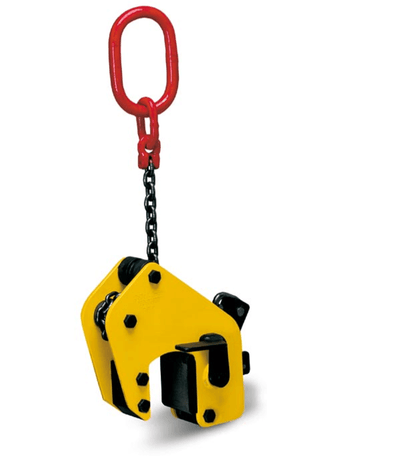
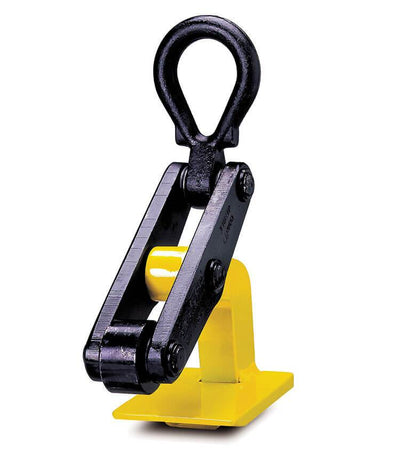
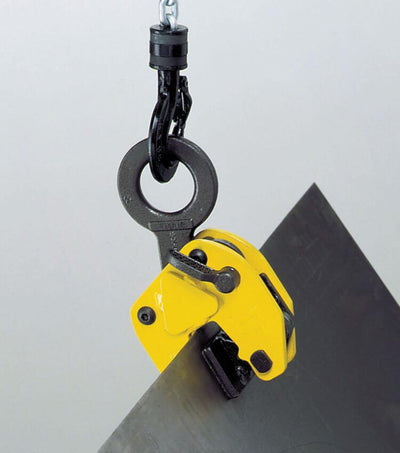
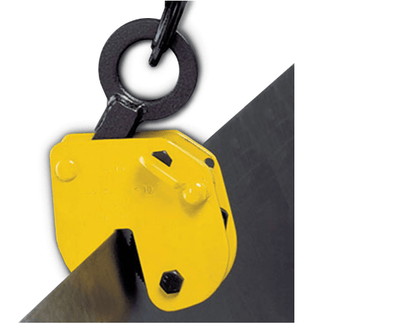
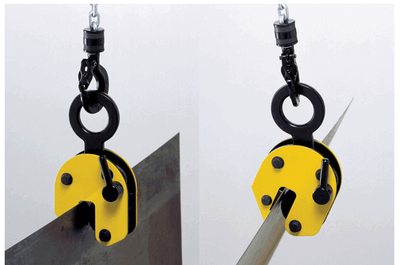
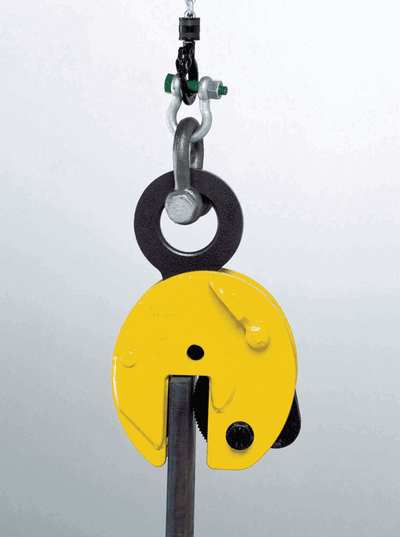
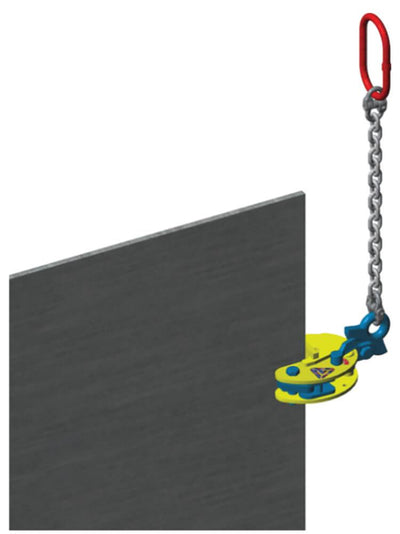
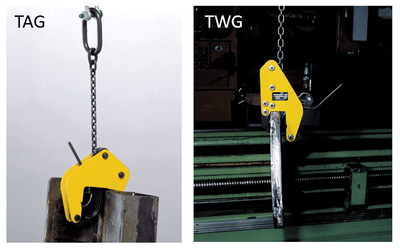
- Vertical plate clamps: lift and turn plate from horizontal to vertical. Examples: CZ, CX, CY, 92 Series, TJC and wide jaw TAG / TWG.
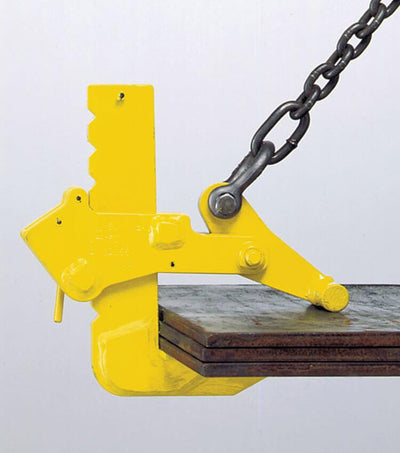
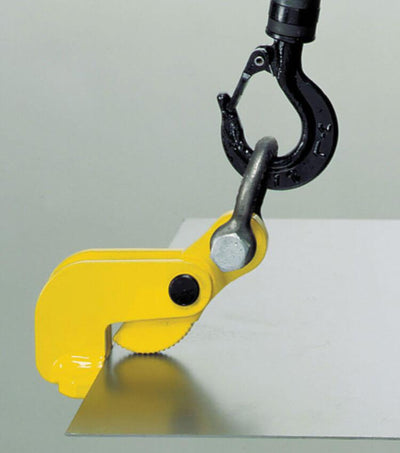
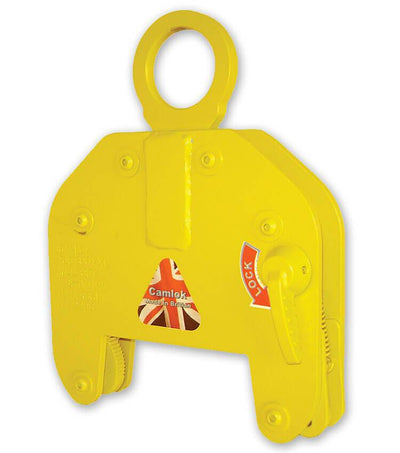
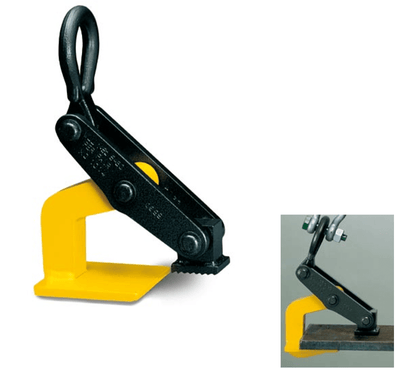
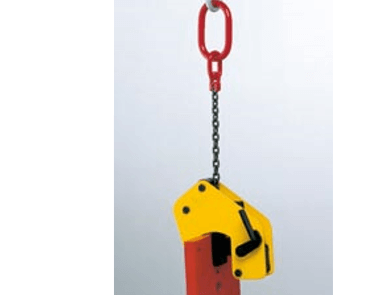
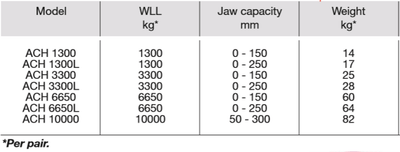
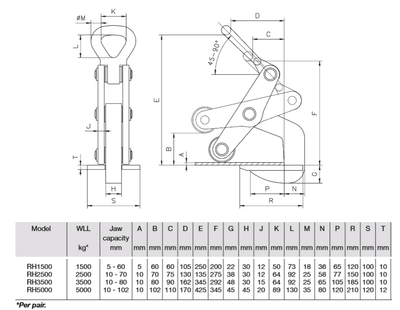
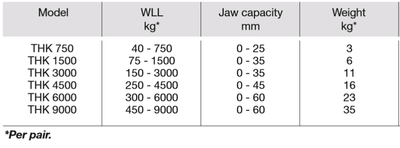
- Horizontal plate clamps: lift plate flat, usually in pairs or sets. Examples: CH, THK, ACH and RH.
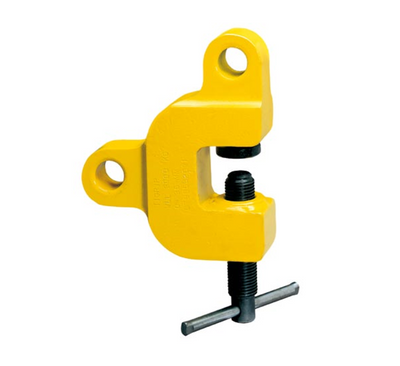
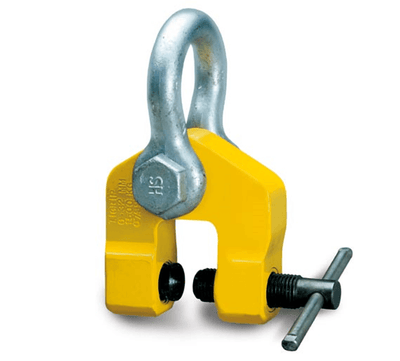
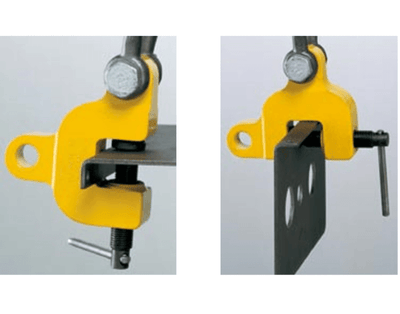
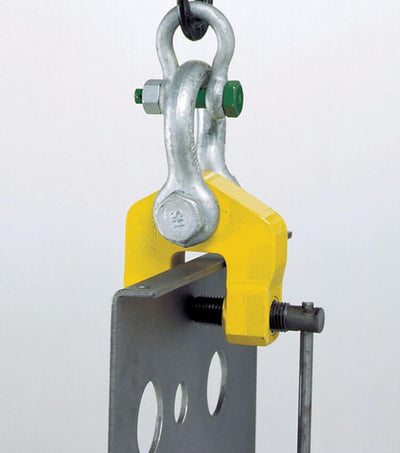
- Screw clamps: a screw locks the jaw onto the plate. Examples: TSH and the 2-way TSZ.
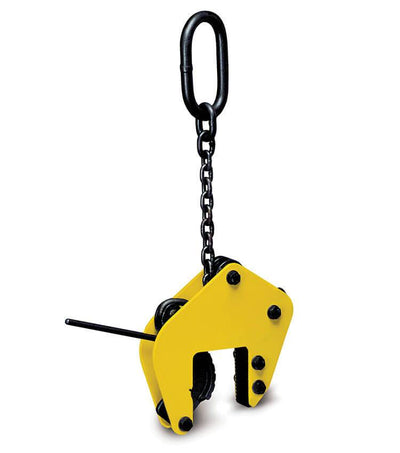
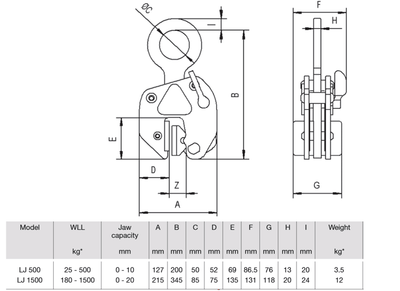
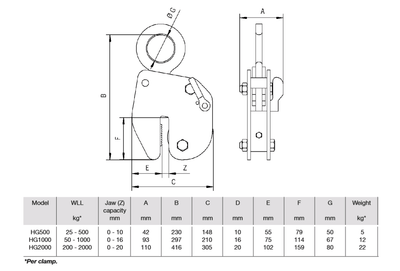
- Non-marking and special clamps: LJ and TSB for finished surfaces, HG for hardened plate.
Related Lifting Equipment
For other loads, see drum lifting clamps, rail lifting clamps and crane forks. All Camlok clamps are grouped in lifting clamps, and the brand range is on the Camlok page.