
Emergency Starter Kit
Five essentials to cover light, power, first aid and safety.
5 products
Emergency Starter Kit – Product list
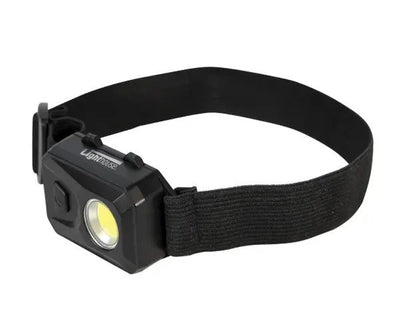



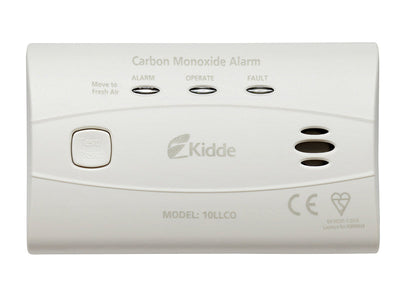
Build your kit for around £55
Five essentials to cover light, power, first aid and safety. Start here, then add what your home needs.


Frequently Asked Questions
What should be in a power cut emergency kit?
At minimum: a torch or head torch for each person, spare batteries, a radio that works without mains power, a charged power bank, a first aid kit and working smoke and carbon monoxide alarms. Add bottled water, food that doesn't need cooking, essential medicines, copies of important documents and some cash.
Who do I call during a power cut?
In Great Britain you can call 105 free from a landline or mobile to report a power cut or get updates from your local network operator. In an emergency where life is at risk, always call 999.
Are rechargeable or battery torches better for emergencies?
Both have a place. Rechargeable torches are cheaper to run, but only help if they're charged when the power goes. Keep at least one torch that runs on standard AA or AAA batteries, and store spare batteries with it.
How long do alkaline batteries last in storage?
Many leading alkaline batteries are rated to hold their charge for up to 10 years in storage. Check the expiry date on the pack, keep them somewhere cool and dry, and replace any that are past their date.
Can I use my power tool batteries in a power cut?
Yes, if you have a compatible light or radio. Cordless work lights and site radios from brands like Makita and DeWalt run on the same 18V batteries as your tools. Keep a couple of batteries charged, and check the product matches your battery platform.
Is it safe to use a generator at home?
Only outdoors, in a well-ventilated area away from doors, windows and vents. Generators produce carbon monoxide, which you can't see or smell. Never run one indoors or in a garage, and never connect it to your home's wiring without a changeover switch fitted by a qualified electrician.
Do I need a carbon monoxide alarm?
We recommend one in every room with a fuel-burning appliance, such as a gas boiler, wood burner or open fire. CO risk rises during power cuts if people use alternative heating or cooking. Never use a barbecue or camping stove indoors.
How do I cover storm damage until a repair can be made?
A heavy-duty tarpaulin, secured with bungee cords or battens, will keep rain out of a damaged roof, window or shed. Waterproof or gaffa tape helps seal small gaps. Only work at height if it's safe to do so; otherwise call a professional.
Can I use a camping stove during a power cut?
Yes, but only outdoors or in a well-ventilated space such as an open porch, never inside your home, tent or garage. Gas stoves produce carbon monoxide. Keep a few spare cartridges, check they match your stove, and store them somewhere cool, away from heat.
What should go in a grab bag?
A grab bag is a small bag you can take if you have to leave home quickly. Pack a torch or head torch, spare batteries, a first aid kit, a charged power bank, copies of important documents, essential medicines, some cash and a warm layer. A sturdy backpack keeps everything together and your hands free.