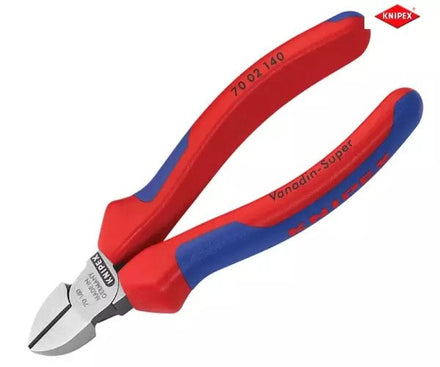
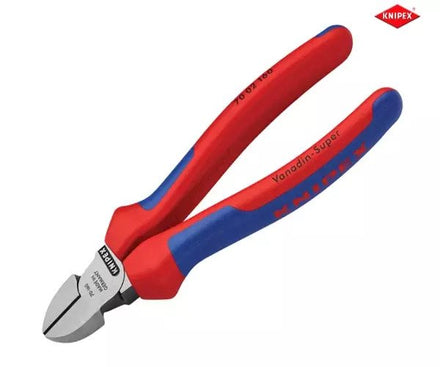
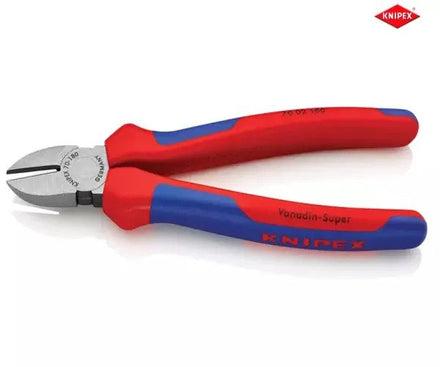
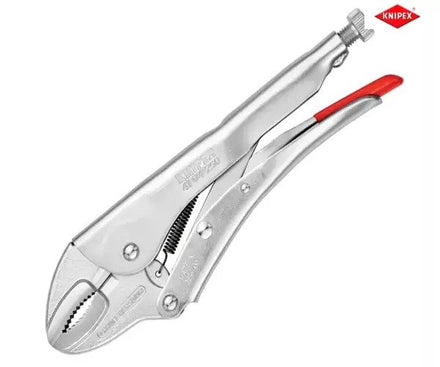
Knipex specialises in pliers and hand tools for professional applications including electrical work, installation, maintenance and mechanical tasks. The brand’s range includes everything from combination and gripping pliers to cutters, wire strippers and specialist electrical tools.
But what makes Knipex tools different from other hand tools on the market? Below, we’ll look at some of the features behind the brand and the types of Knipex tools available for different jobs.
Why Choose Knipex Tools?
1. Cutting Performance
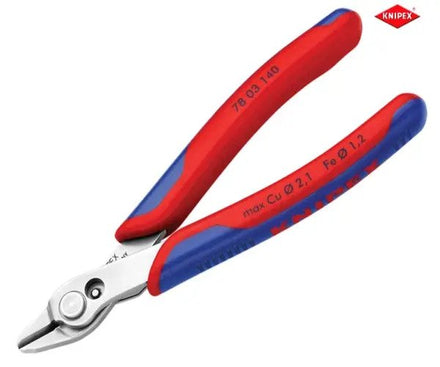
Cutting performance is one of the areas Knipex is particularly well known for. Many of its cutters are designed around the relationship between cutting-edge geometry, joint position and leverage, helping increase cutting force without simply increasing the overall size of the tool. On certain high-leverage models, this can noticeably reduce the effort required compared with conventional cutters of a similar length.
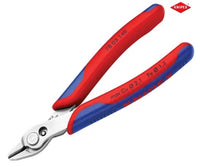
Knipex also uses tool-specific cutting edges depending on the intended application. Products are available for everything from soft copper wire and multi-core cable to hard wire, nails and piano wire. On many cutters, the cutting edges are additionally induction hardened to help maintain performance during repeated use.
2. Tool Design & Ergonomics
Good hand-tool design is about more than adding a comfortable grip. The position of the joint, length of the handles, shape of the head and overall leverage can all affect how much effort is required during repeated cutting or gripping tasks.
Knipex develops different tool designs around these requirements. High-leverage cutters, for example, use optimised transmission ratios to increase cutting force, while slimmer head profiles are available where access is limited. Some models also include features such as opening springs to reduce repetitive hand movement during frequent cutting.
Handle options also vary across the range, from simple plastic-coated handles to multi-component grips and insulated versions designed for electrical applications. This allows users to choose a tool based on both the task and the working environment.
3. Materials & Manufacturing
Knipex manufactures its pliers with different steel grades and manufacturing processes selected according to the demands placed on each tool. Rather than using one material across the entire range, individual products may use special tool steel, chrome vanadium electric steel or other specialist alloys depending on their intended function.
Forging and heat treatment also play an important role. Many Knipex pliers and cutters are forged and then oil hardened, while cutting edges on selected tools undergo additional induction hardening. These processes are used to balance characteristics such as hardness, toughness and resistance to wear.
4. Tools for Specialist Applications
Although Knipex is closely associated with pliers, its range includes tools developed for a wide variety of professional applications.
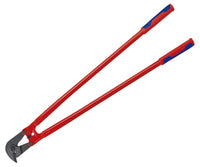
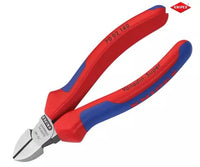
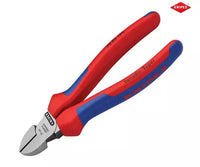
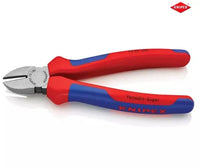
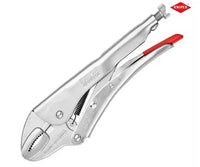
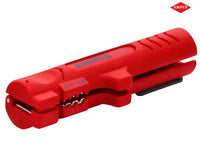
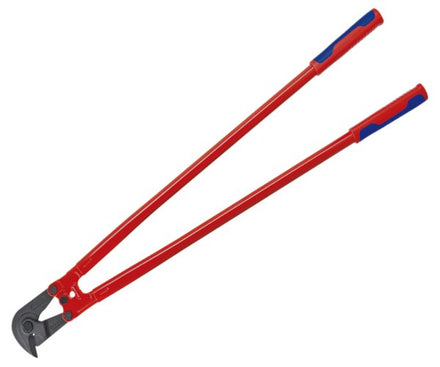
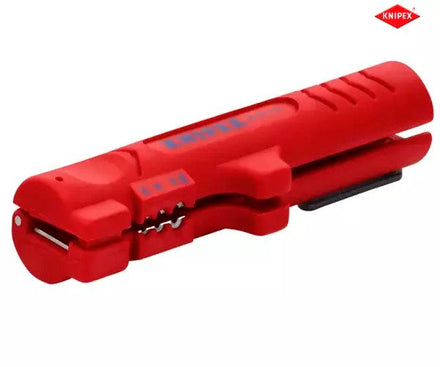
Electricians can choose from VDE-insulated pliers, diagonal cutters, cable cutters, wire strippers and installation tools, while plumbing and mechanical work is supported by products such as water pump pliers, gripping pliers and pliers wrenches. There are also specialist cutters for bolts, wire and cable, alongside long-nose and precision tools for work in confined areas.
5. Wide Range of Pliers & Hand Tools
Knipex’s range extends well beyond traditional combination pliers. Depending on the job, users can choose from diagonal cutters, long-nose pliers, water pump pliers, pliers wrenches, cable cutters, stripping tools, crimping tools, bolt cutters and specialist electrical tools.
There are often several versions within the same product family too, with differences in length, cutting capacity, handle finish, head design and insulation. That breadth makes Knipex particularly useful for professionals who want to select tools around specific applications rather than relying on a single general-purpose pair of pliers.