

Chargers
Battery chargers for cordless tools - fast chargers, multi-voltage chargers, multi-port chargers, car chargers and USB charging adaptors for every major cordless power tool platform. This is the collection for tradespeople and workshops who want to cut downtime: the right charger keeps a battery ready when you need it, charges several packs at once, or revives a system with a lost or failed charger. Match the charger to your battery platform and voltage and you are ready to go.
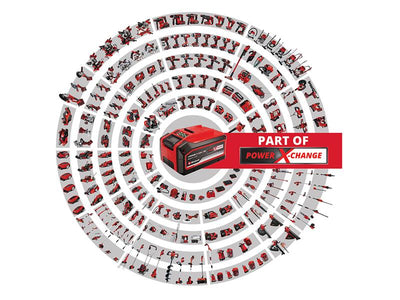
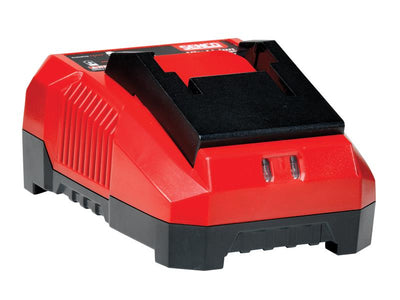
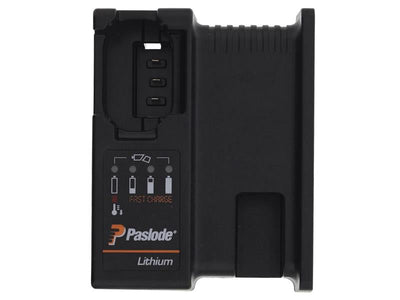
The range covers all the leading systems: DeWalt XR and FlexVolt (10.8V to 54V), Makita LXT and XGT (up to 40V max), Bosch Professional GAL (12V and 18V), Metabo air-cooled ASC, HiKOKI, Einhell Power X-Change, plus Batavia, Senco, Paslode, Black+Decker and Stabila CAS chargers. Features across the collection: fast and rapid chargers to recharge within a break, multi-voltage chargers that cover a whole platform, multi-port chargers that top up several batteries in turn, air-cooled charging for faster, cooler cycles, and car and USB chargers for charging on the move.
Brands in this collection include DeWalt, Makita, Bosch, Metabo, HiKOKI, Einhell, Batavia, Senco, Paslode, Black+Decker and Stabila.

37 products
Chargers – Product list













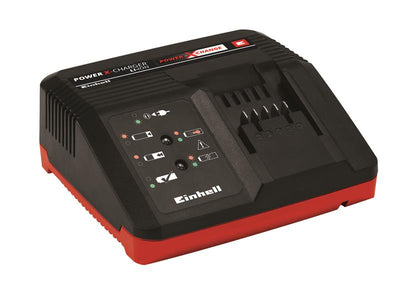
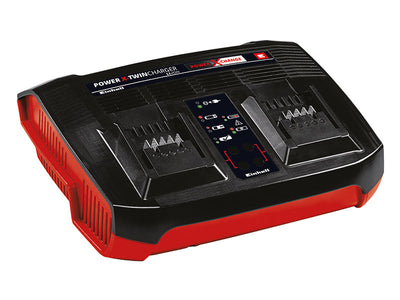
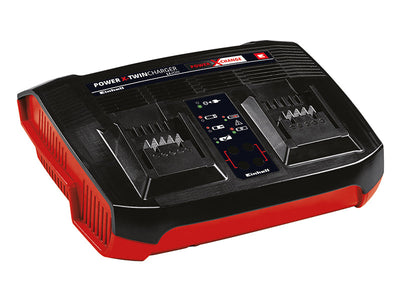
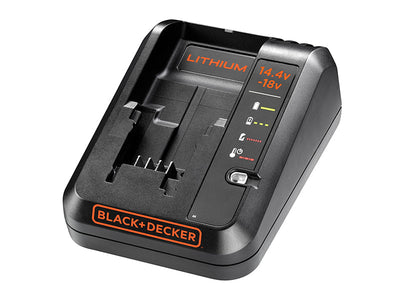
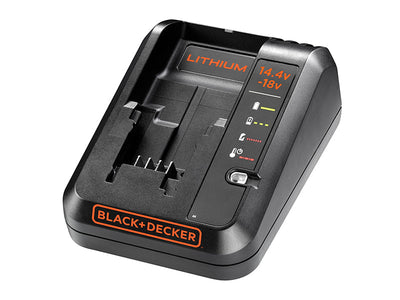
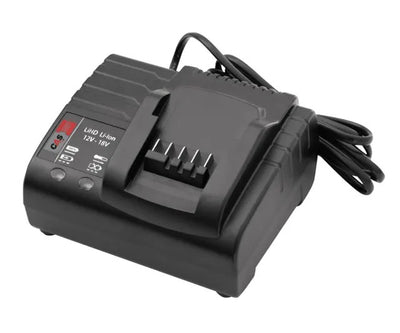
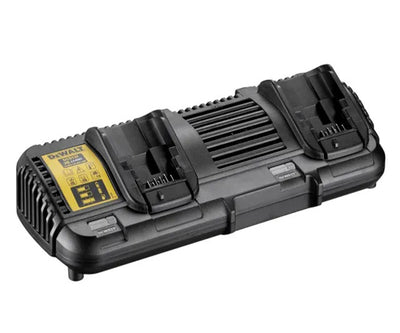
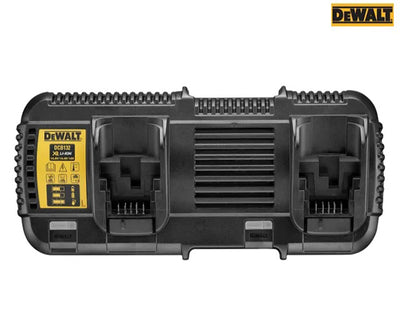
Battery chargers for cordless tools at MTN Shop UK
The charger is the quiet workhorse of any cordless system: the tool gets the attention, but it is the charger that decides how long you wait between batteries. This collection brings together chargers of every type - standard, fast, multi-voltage, multi-port, air-cooled, car and USB - across all the major cordless platforms. Whether you need a faster charger to reduce downtime, a multi-port unit to keep a whole set of batteries topped up, or a replacement for a lost or failed charger, the essential rule is to match the charger to your battery's brand, platform and voltage. This guide explains the charger types so you can choose the right one.
Charger types explained
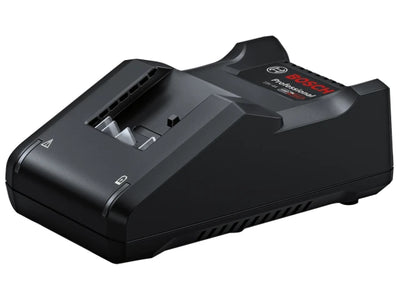
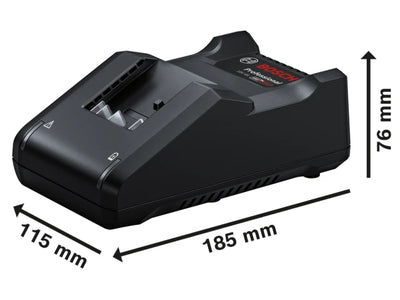
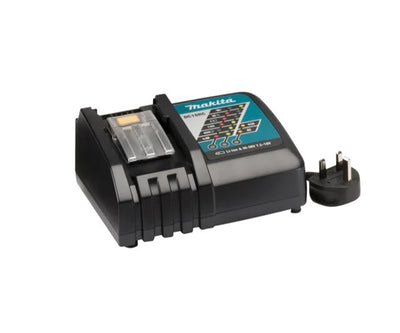
- Standard chargers: charge one pack at a moderate rate - fine if you keep spare batteries and are not in a hurry. Examples include the DC18RC (7.2 to 18V) and Bosch GAL 1880 CV (14.4 to 18V).
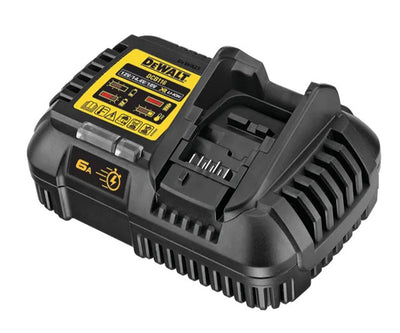
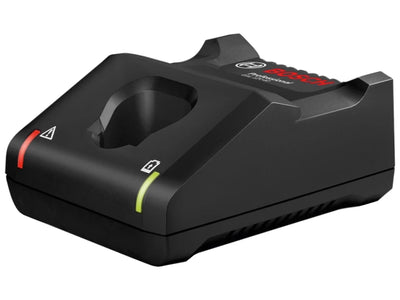
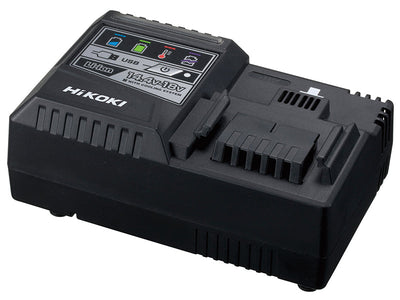
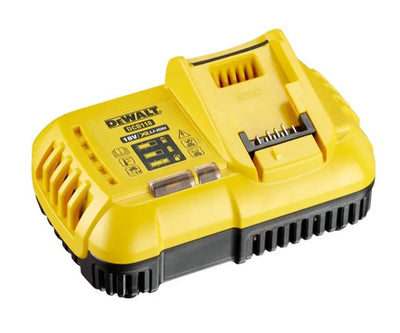
- Fast and rapid chargers: higher output recharges a pack much more quickly, so it is ready again within a break. The DeWalt DCB116 FlexVolt fast charger covers 12 to 54V, the Bosch GAL 12V-40 is a 12V fast charger, and the HiKOKI UC18YSL3 is a rapid smart charger for slide packs.
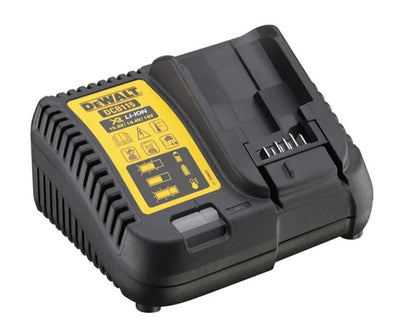
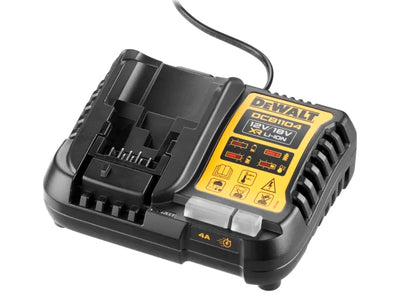
- Multi-voltage chargers: cover a range of voltages on one platform, so a single charger handles most of your packs. The DeWalt DCB132 XR universal charger spans 10.8 to 54V, the DCB115 and DCB113 cover 10.8 to 18V, and the DCB1104 covers 12 to 18V.
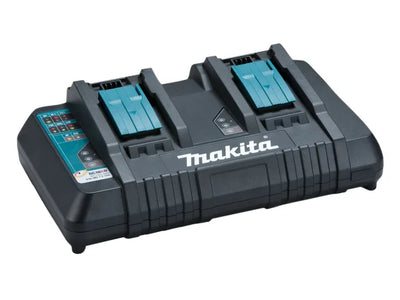
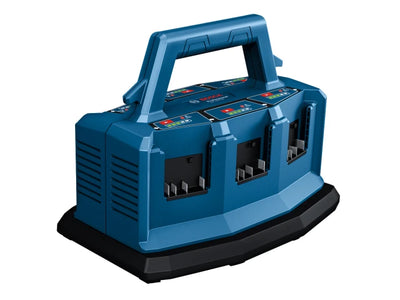
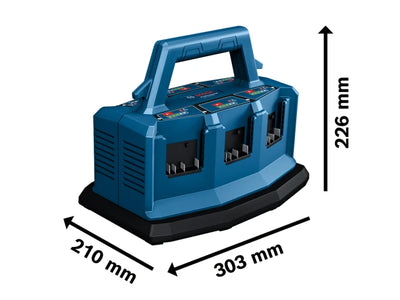
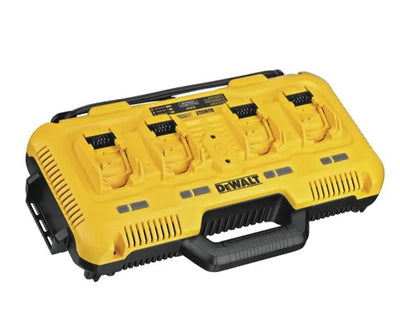
- Multi-port chargers: charge several batteries in sequence or together - ideal for a team or a van. The Makita DC18SF is a 4-port LXT charger, the DeWalt DCB104 is a 4-port charger, and the Bosch GAL 18V6-80 is a 6-port fast charger.
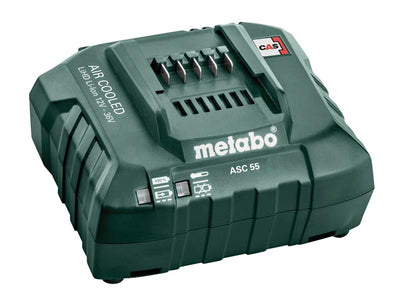
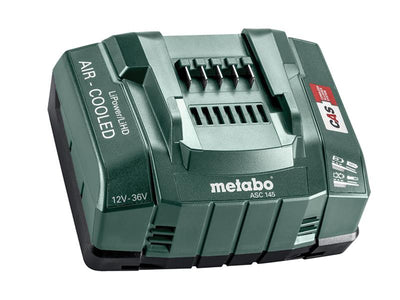
- Air-cooled chargers: use a fan to cool the pack during charging for faster, cooler cycles and longer battery life. The Metabo ASC 55 (12 to 36V) and ASC 145 quick charger (12 to 36V) are examples.
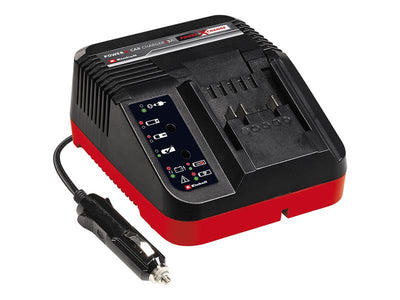
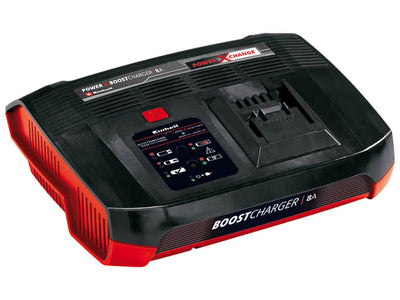
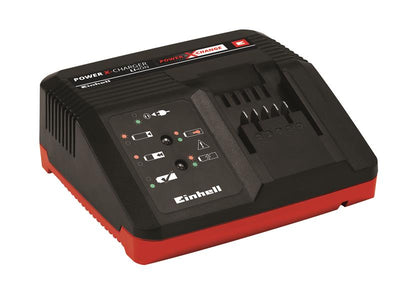
- Car and on-the-go chargers: charge from a 12V vehicle supply for topping up between jobs - the Einhell Power X-Car Charger 3A and Batavia On-the-go charger cover this.
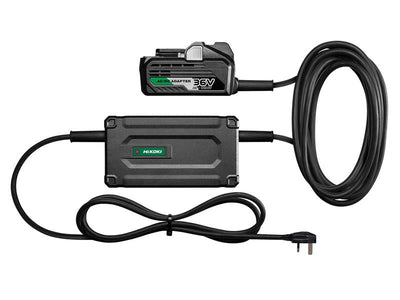
- USB charging adaptors: let a tool battery charge phones and USB devices, or provide USB output on the platform - such as the Makita XGT USB adaptor.
Match the charger to your battery platform
A charger works only with batteries from its own brand and platform, and only across the voltage range it is designed for. Key points to check:
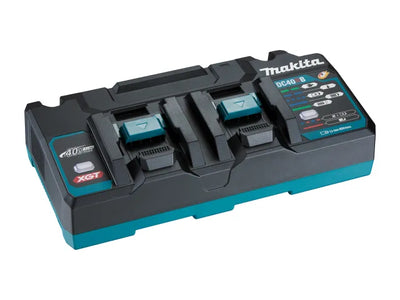
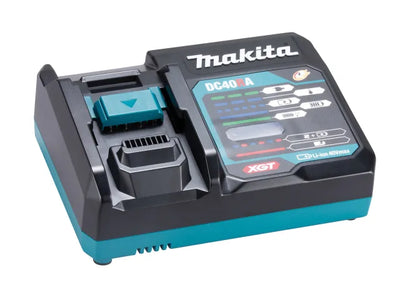
- Brand and platform: a DeWalt XR charger charges DeWalt XR packs, a Makita LXT charger charges LXT packs, and so on - chargers are not cross-compatible between brands. Note that some brands run separate platforms with their own chargers, such as Makita LXT (18V) versus Makita XGT (40V max), which use different chargers like the DC40RA XGT fast charger.
- Voltage range: confirm your battery voltage falls within the charger's stated range - a 12 to 18V charger will not charge a 54V FlexVolt pack, while a wide-range charger like the DeWalt DCB132 (10.8 to 54V) will.
- Battery type: most modern chargers are Li-ion, but some older units also support NiCad and NiMH (the HiKOKI UC18YG covers 7.2 to 18V NiCad and 7.2V Li-ion) - check compatibility if you run older packs.
- Cross-brand systems: the Cordless Alliance System (CAS), led by Metabo, lets several participating brands share one platform - Stabila CAS chargers such as the SC30 charge CAS batteries across the alliance.
Fast versus standard - is a fast charger worth it?
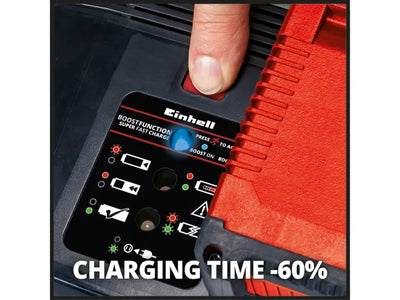
A fast charger costs more but pays back in reduced downtime. If you run a tool hard all day and only own one or two batteries, a fast charger means a flat pack is usable again within a short break rather than an hour or more, keeping you working. If you own several batteries and simply rotate them, a standard charger may be all you need because there is always a charged pack ready. Fast chargers with active cooling also tend to be gentler on cells over time than cheap unregulated chargers, which can help battery life. For busy professional use, fast or multi-port charging is usually the better investment; for occasional use, a standard charger is fine.
Smart charging and battery health
Modern chargers do more than push current into a pack. Smart chargers communicate with the battery's control electronics to monitor cell voltage and temperature, balance the cells, and stop charging at the right point to avoid overcharging - all of which protects the battery and extends its life. Air-cooled chargers add a fan to keep the pack cool during charging, which both speeds up the cycle and reduces heat stress on the cells. This is one of the reasons to use the correct genuine charger for your platform rather than a generic unit: the charger and battery are designed to work together safely.
Replacing a lost or failed charger
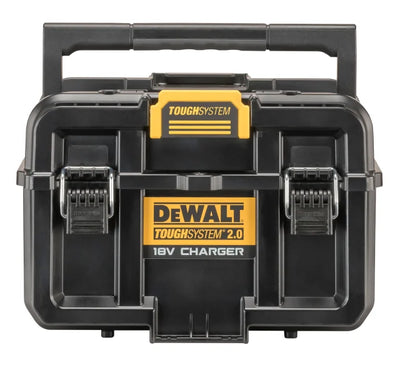
If your charger is lost, damaged or failed but your batteries are fine, you only need a replacement charger for the same platform and voltage - there is no need to replace the batteries. Check the model or platform of your existing packs, then choose a charger that covers that voltage. Upgrading at the same time to a faster or multi-port charger can be worthwhile if downtime is a problem. Some chargers also come integrated into storage, like the DeWalt TOUGHSYSTEM 2.0 charger toolbox, which charges packs inside a stackable case.
Charger care and safety
- Charge on a non-combustible surface away from flammable materials, and do not cover the charger or block its cooling vents.
- Use the correct charger for the battery platform and voltage - never force an incompatible pack onto a charger.
- Let hot packs cool before charging; most smart chargers will pause until the battery is within a safe temperature range.
- Do not charge damaged batteries: never charge a swollen, cracked, wet or visibly damaged Li-ion pack - it is a fire risk.
- Keep it dry: chargers are for indoor or dry use unless specifically rated otherwise; protect them from rain and damp.
- Unplug when not in use for extended periods, and do not leave packs charging unattended for long stretches.
Related categories
This Chargers collection sits within our wider batteries and chargers for cordless tools range. For batteries to go with your charger, see our batteries for cordless tools range and the broader batteries collection. For bundled packs, see battery kits, and for cables and accessories see chargers and accessories. Browse by brand at DeWalt, Makita, Bosch, Metabo, HiKOKI, Einhell, Batavia, Senco, Paslode, Black+Decker and Stabila.
For trade orders, fleet charging setups, or help identifying the right charger for your batteries, request a quote and our team will get back to you with availability.