Mortice Locks & Latches
Mortice Locks & Latches at MTN Shop UK
At MTN Shop UK we sell mortice locks and latches covering mortice deadlocks, sashlocks, mortice latches and bathroom locks, in 3-lever and 5-lever mechanisms, with British Standard (BS 3621) options for final exit doors. They come in the standard 2.5in and 3in case sizes and in finishes such as polished brass, satin chrome and polished chrome. The range includes established lock brands such as UNION and Yale.
It is a practical mix for joiners hanging and fitting timber doors, locksmiths, and facilities, social housing and property managers who need insurance-compliant locking on final exit doors. The 5-lever BS models suit external and final exit doors, while 3-lever locks are usually enough for internal and lower-risk doors.
Pair mortice locks with the rest of our locks and security, padlocks and woodworking tools for hanging and morticing doors.

174 products
Mortice Locks & Latches – Product list
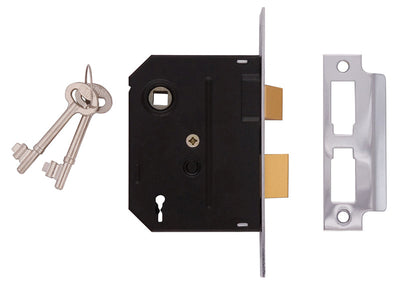
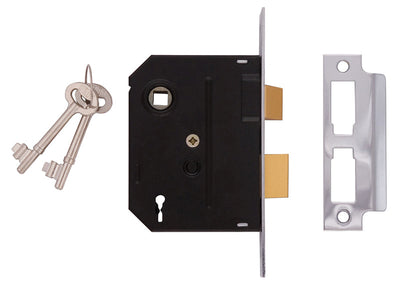
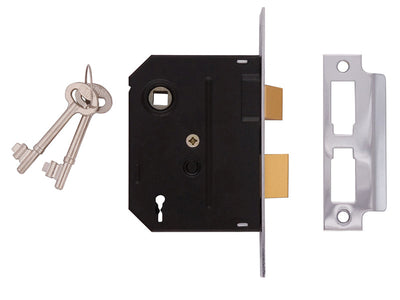
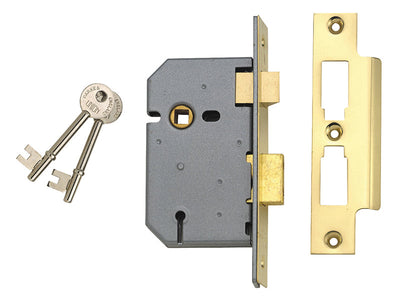
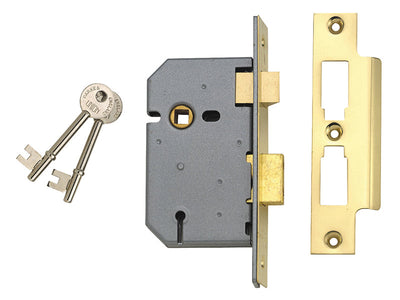
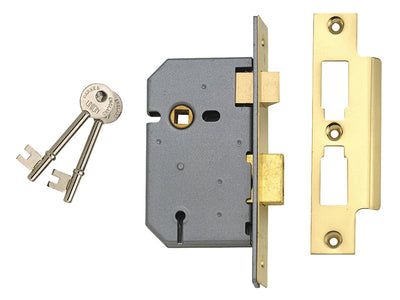
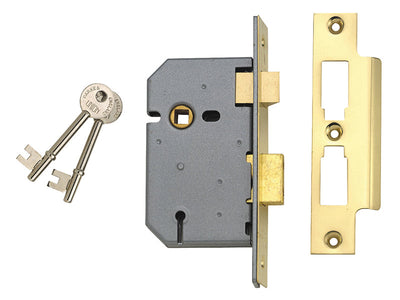
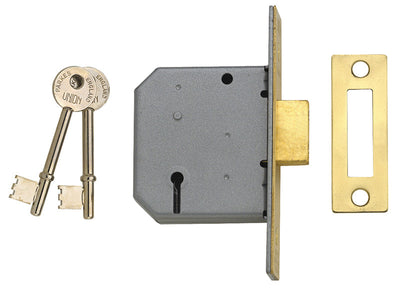
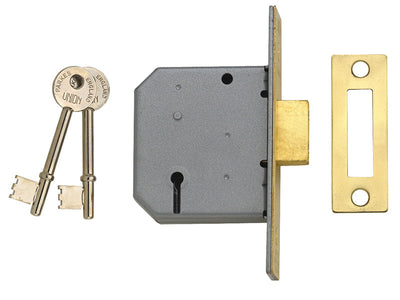
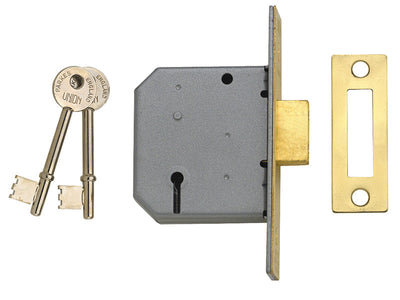
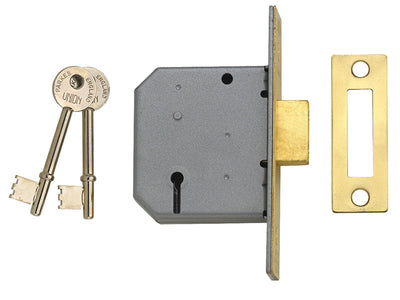
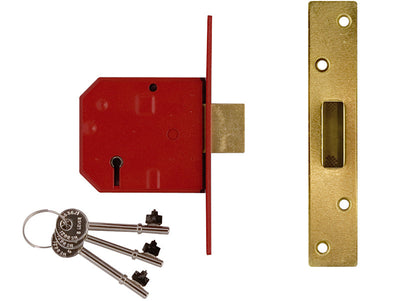
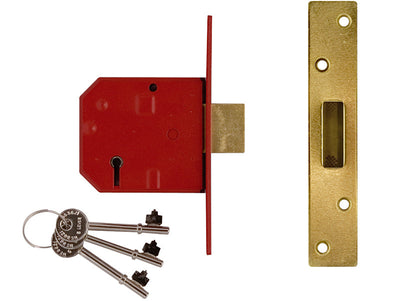
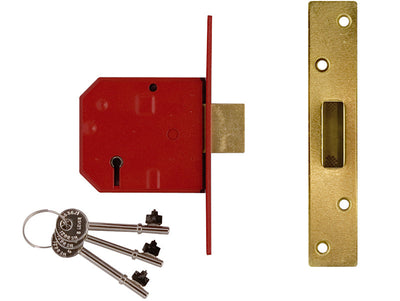
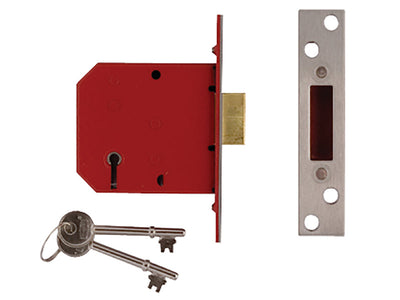
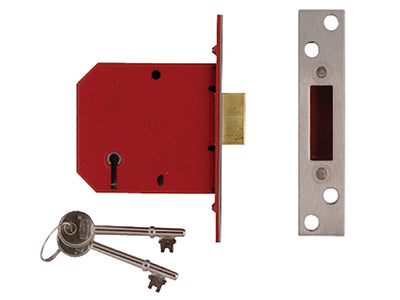
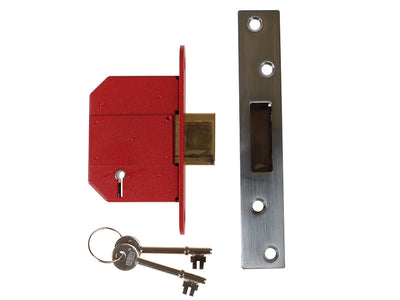
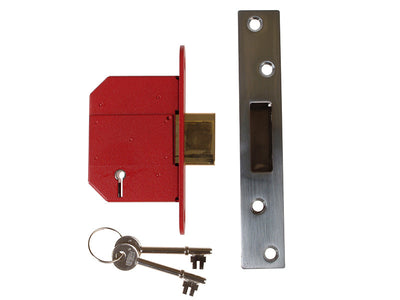
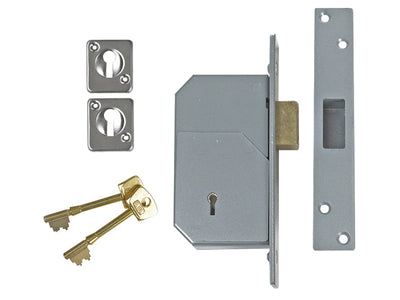
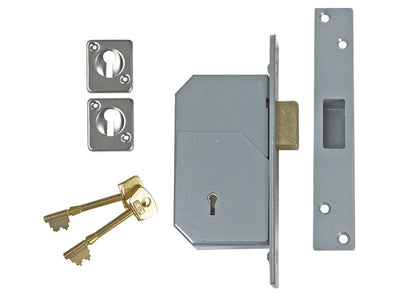
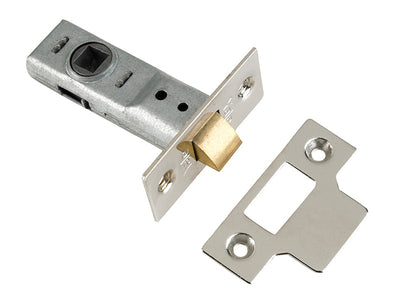
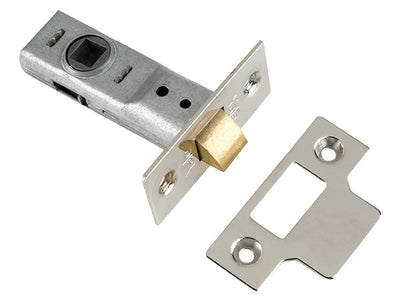
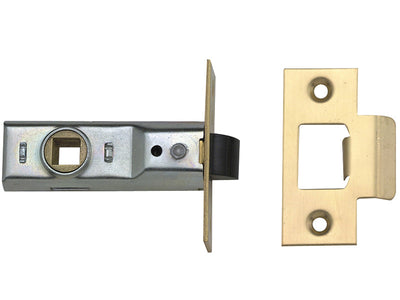
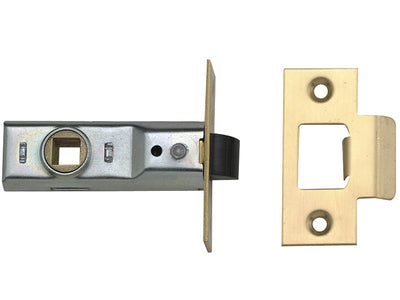
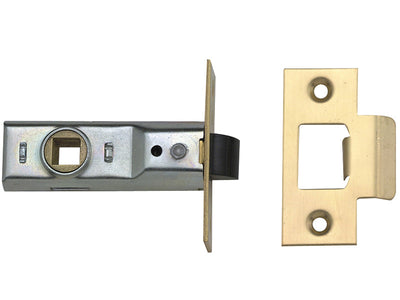
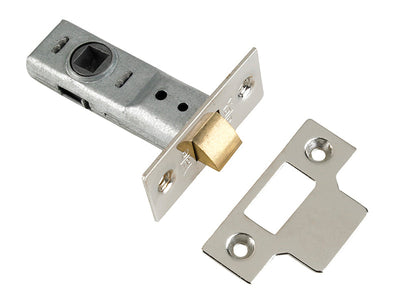
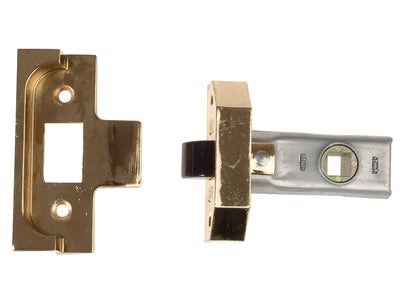
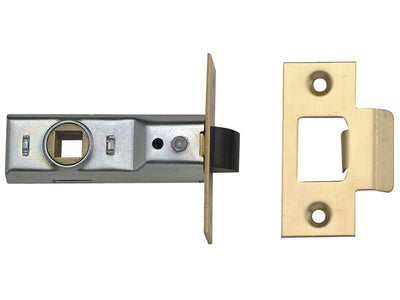
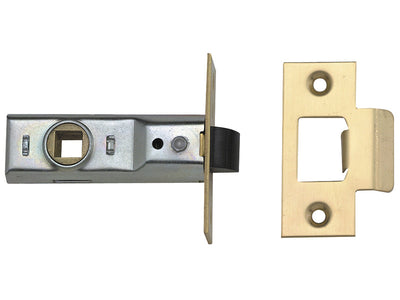
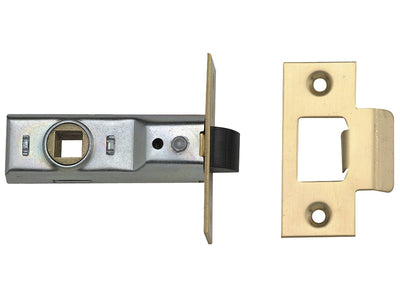
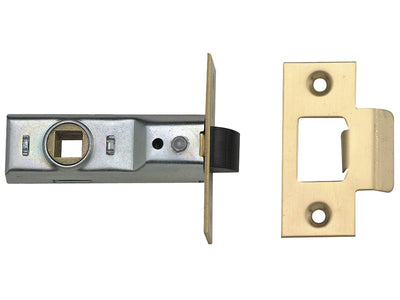
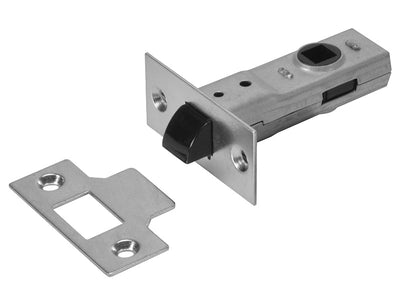
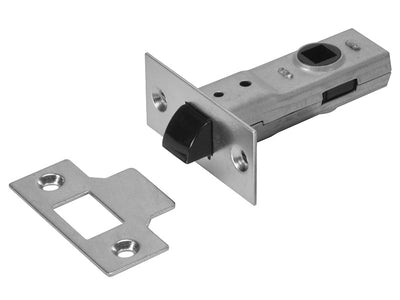
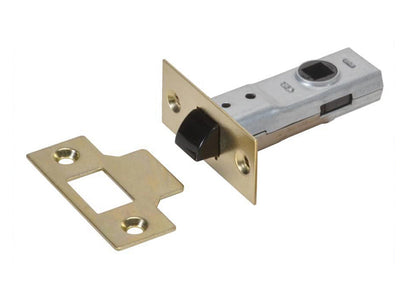
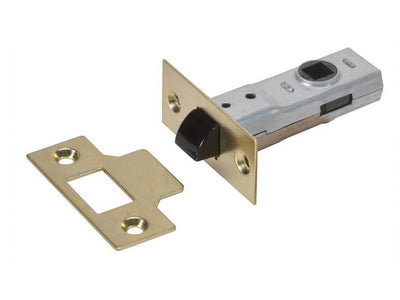
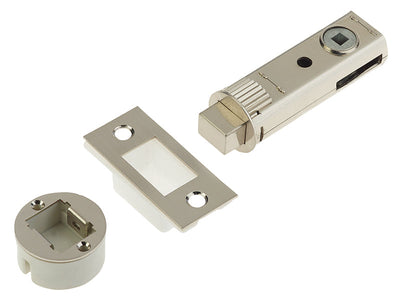
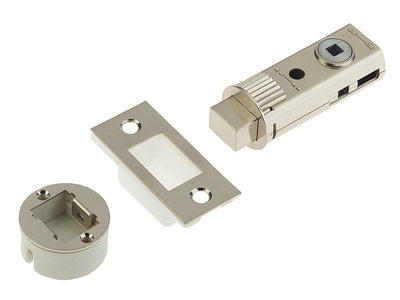
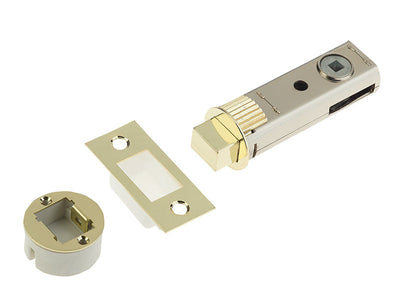
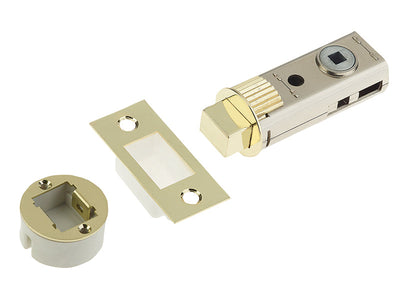
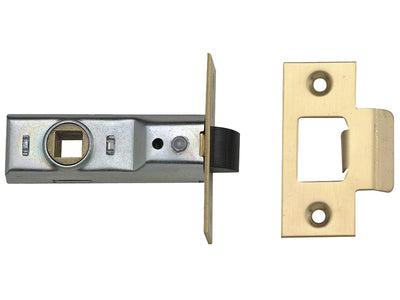
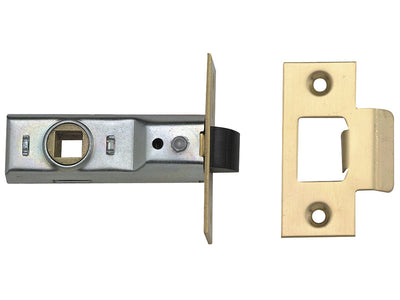
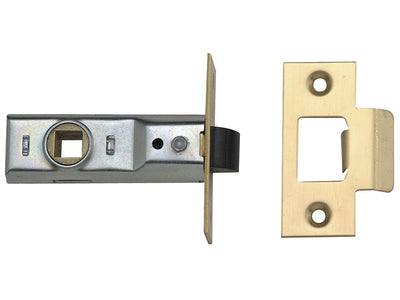
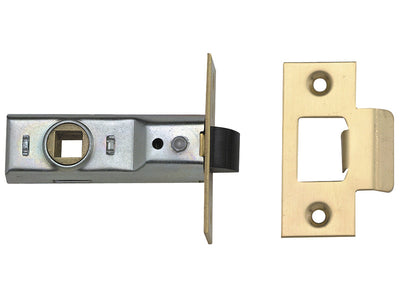
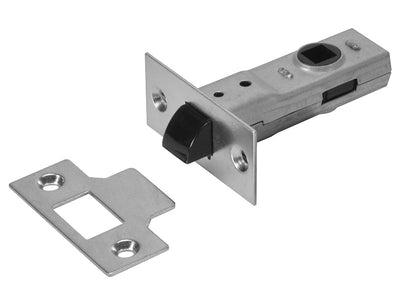
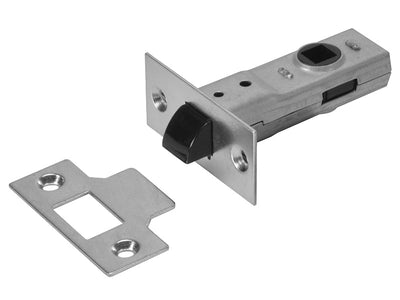
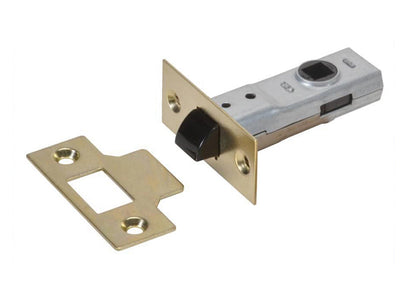
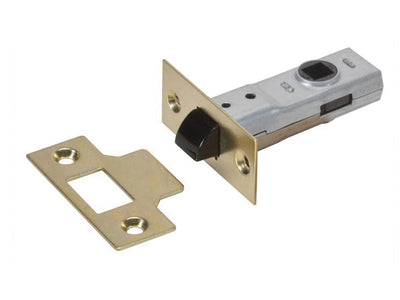
Mortice locks and latches explained
A mortice lock fits into a pocket cut into the edge of the door, so the lock body sits inside the door rather than on its face. The range at MTN Shop UK covers internal and external doors, from simple latches to insurance-rated deadlocks, from brands such as UNION and Yale. Choosing the right one comes down to the type, the lever count and matching the existing door.
Deadlocks, sashlocks and latches
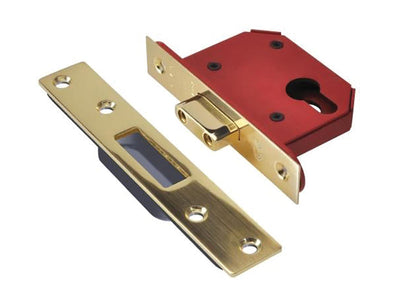
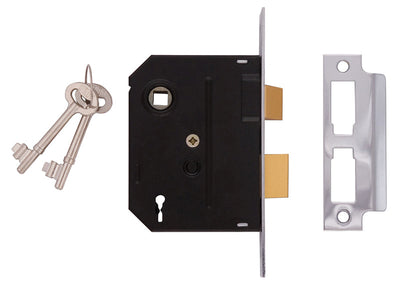
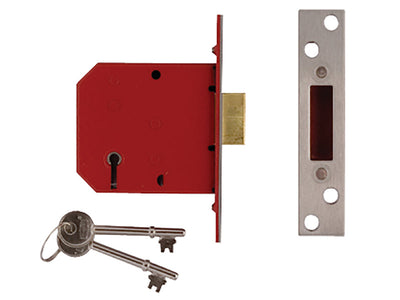
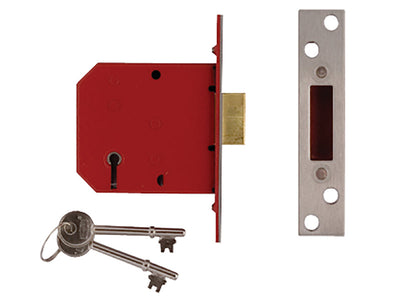
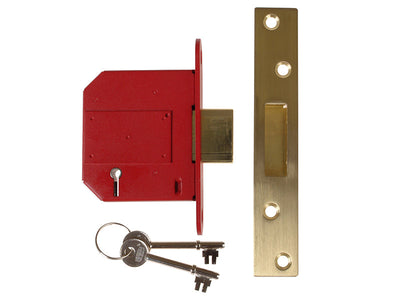
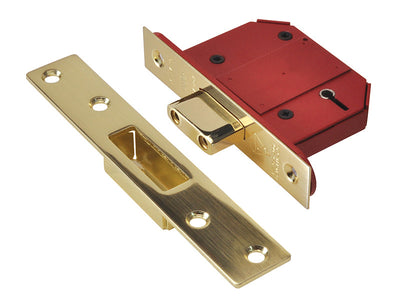
A mortice deadlock has a single deadbolt thrown by a key, with no handle, and is used as a second lock above or below a nightlatch, for example the Yale PM562 5-lever deadlock in a 68mm case. A mortice sashlock combines a deadbolt with a latch operated by handles, so it locks and acts as the everyday catch on one door, such as the UNION 2234E 5-lever sashlock in a 79.5mm case. A mortice latch holds a door closed without locking, and a bathroom lock adds a privacy bolt operated by a thumbturn rather than a key.
Lever count and BS 3621 for insurance
Lever count is the usual measure of a mortice lock's security. A 3-lever lock suits internal and lower-risk doors, while a 5-lever lock is specified for external and final exit doors. The key standard is BS 3621, which marks a thief-resistant lock that many home insurers require on final exit doors, shown by the kitemark on the faceplate. Mortice locks are also tested for general performance under BS EN 12209.
Case size, backset and finishes
Mortice locks come in two common case sizes, 2.5in (around 65mm) and 3in (around 79.5mm), measured by the depth of the lock body. The backset, the distance from the door edge to the centre of the keyhole or spindle, follows from the case size, so a replacement should match the existing mortice to avoid recutting the door. Faceplates and furniture are offered in finishes such as polished brass, satin chrome and polished chrome to match existing door hardware.
Choosing the right mortice lock
Decide first whether the door needs a deadlock, a sashlock or a latch. For a final exit door, choose a 5-lever BS 3621 lock to meet insurance wording. For internal doors, a 3-lever lock or a latch is usually enough, with a bathroom lock where privacy is needed. When replacing an existing lock, measure the case size and backset and match the finish, so the new lock drops into the existing mortice.
Build your kit with locks from UNION and Yale, plus screwdrivers and safety gloves for fitting. For bulk orders, matched suites across multiple doors, or a specific case size, lever count or finish, request a quote.