Every rigger knows that a clamp is only as reliable as the conditions it works in. Vibration from sub-bass speakers, the repeated cycling of chain hoists, or a single overtightened bolt can compromise a primary fixing without any visible warning. A safety bond is the device that catches suspended equipment when that happens.
This guide covers what safety bonds are, when they are legally required, and how to choose and install them correctly. The Doughty safety bond range covers loads from 5kg to 100kg, is BS EN certified, and comes with a test certificate included.
What is a Safety Bond?
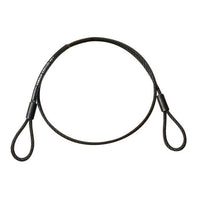
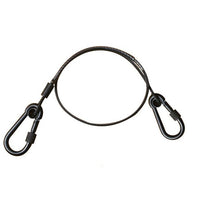
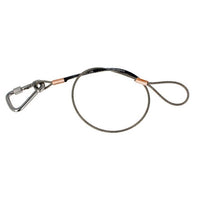
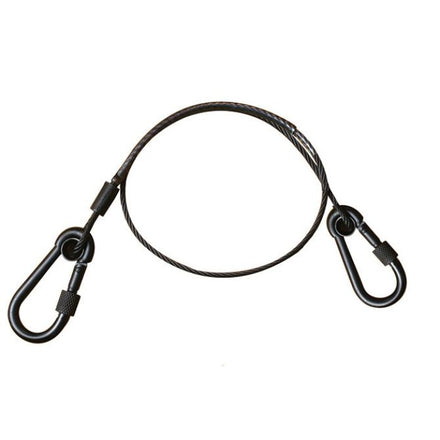
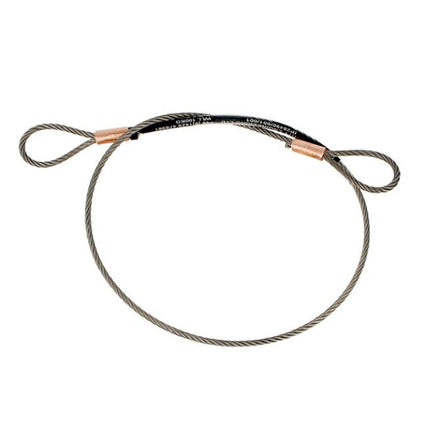
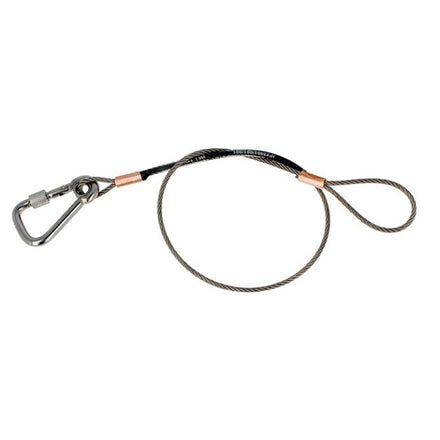
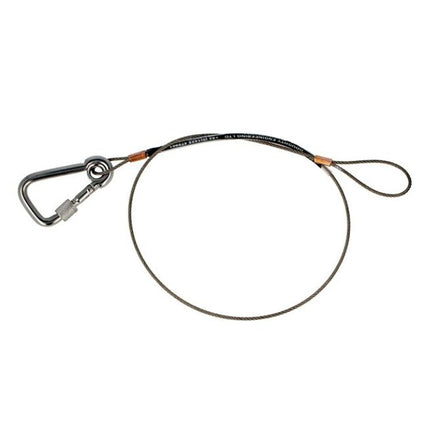
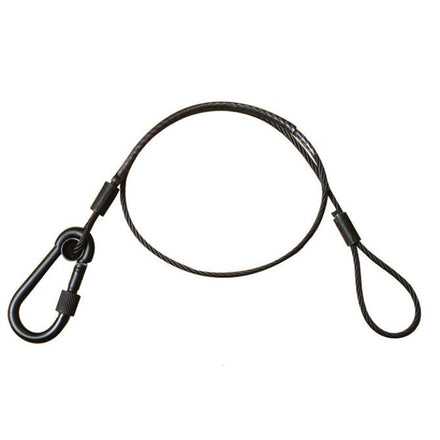
A safety bond is a secondary retention device, consisting of a short wire rope loop attached to a suspended fixture and anchored independently from the primary fixing. If the primary fixing fails, the safety bond catches the fixture and prevents it from falling.
Safety bonds are used wherever equipment is suspended above people: concert stages and touring rigs, theatre lighting bars, broadcast studios, corporate event ceilings, and exhibition spaces. They are sometimes called safety cables or safety wires, though these terms are used interchangeably across the industry.
The difference between a safety bond and a safety cable:
A safety bond typically refers to a short loop of pre-formed wire rope with terminations at each end, rated to a specific SWL. A safety cable is a more general term that can describe the same product or a longer, multi-purpose wire. For stage and entertainment rigging, both terms describe the same category of secondary retention device.
Are Doughty Safety Bonds a Legal Requirement?
Yes. For suspended equipment at professional events and permanent installations in the UK, secondary retention is not optional.
Under LOLER (Lifting Operations and Lifting Equipment Regulations 1998), all lifting equipment must be safe and must not put people at risk of injury if it fails. The Health and Safety Executive publishes specific guidance for the entertainment industry confirming that safety bonds are a required part of any professionally rigged lighting or equipment installation.
Venues, production companies, and touring organizations that do not fit safety bonds risk enforcement action, unlimited fines under the Health and Safety at Work Act 1974, and civil liability if equipment falls and causes injury.
Beyond the legal obligation, the practical case is straightforward: a safety bond costs a few pounds and takes seconds to fit. The consequences of a fixture falling on a crowd or crew member are irreversible.