Shovels
Discover our range of shovels from Bulldog, Faithfull, Roughneck, Red Gorilla and Fiskars, covering square, round and taper mouth shovels for digging, trenching, drainage and cable laying work.
Choosing the right shovel comes down to the material being moved and the task at hand. Round and taper mouth shovels suit general digging in soil, square mouth shovels suit scooping loose material like sand or gravel, and specialist shapes like drainage and cable laying shovels are built for narrower, more controlled cuts.

78 products
Shovels – Product list
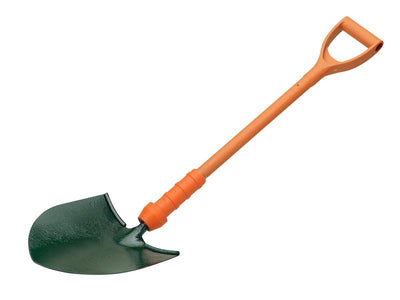
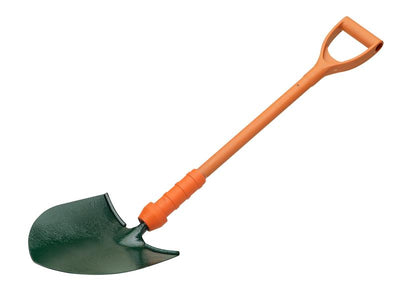
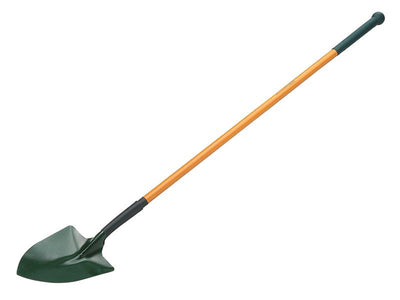
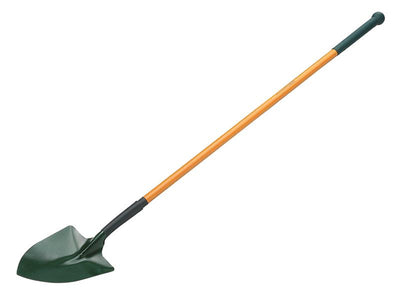
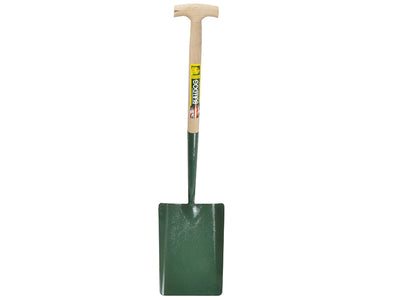
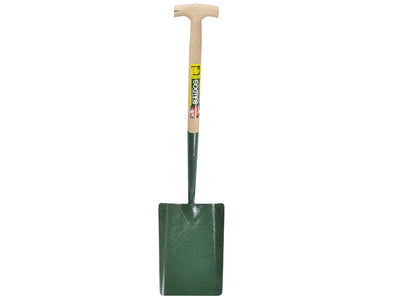
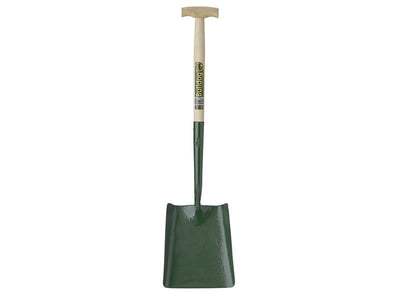
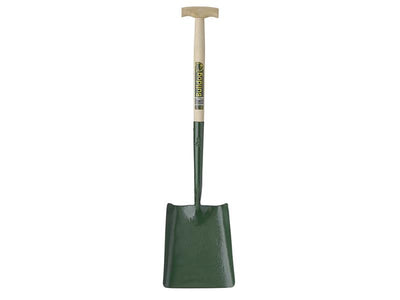

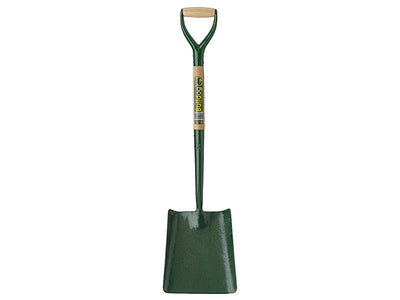
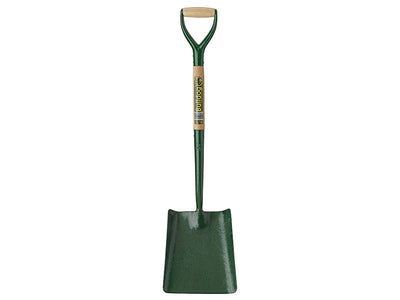
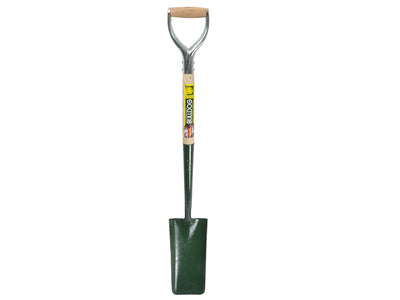
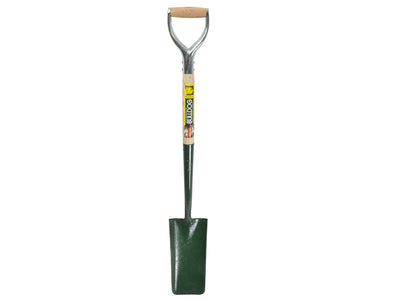
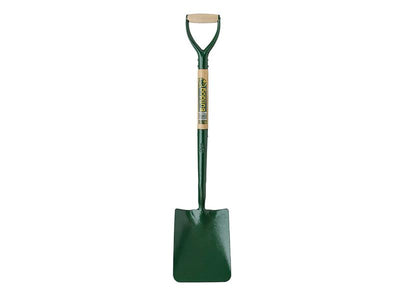
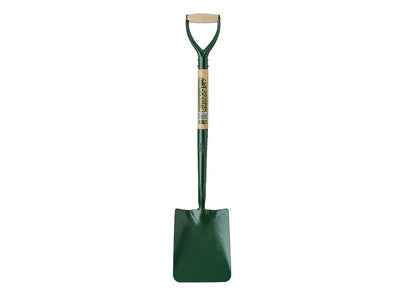
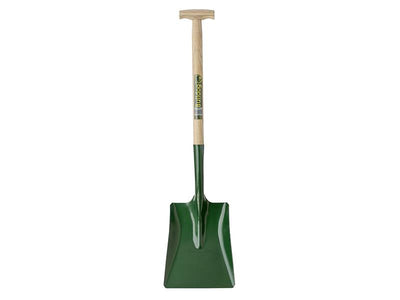
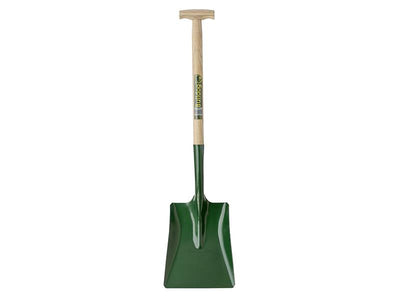
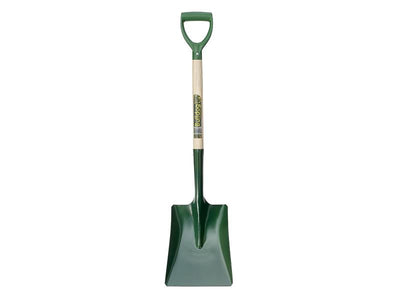
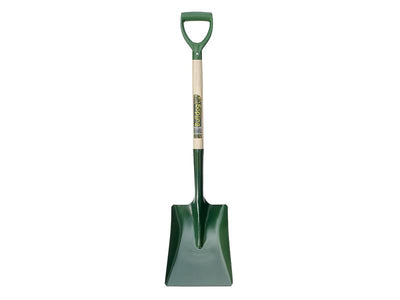
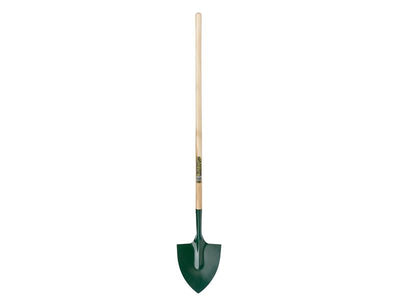
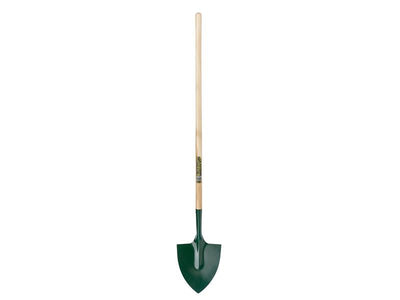
Square vs round mouth shovels
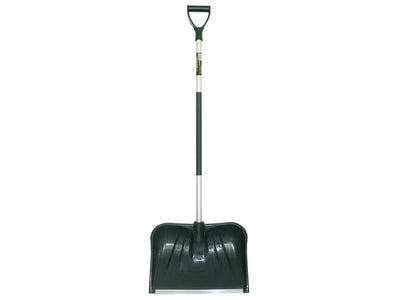
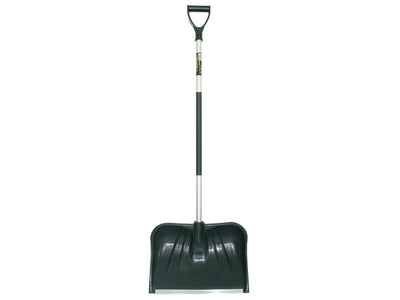
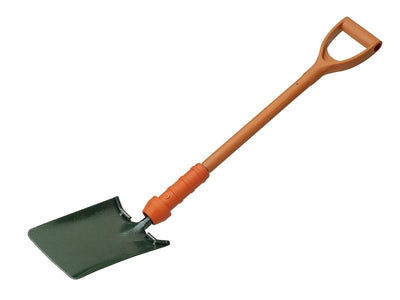
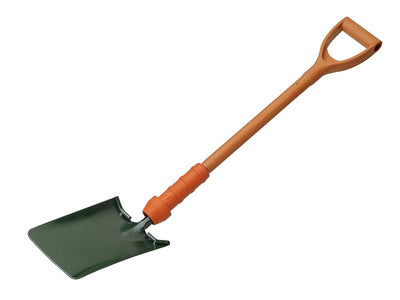
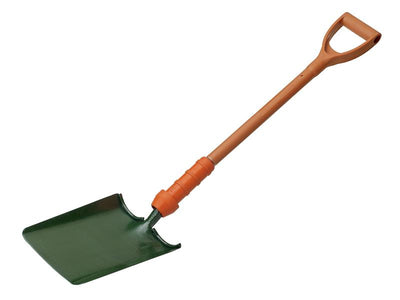
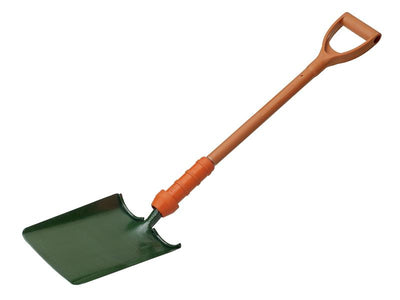
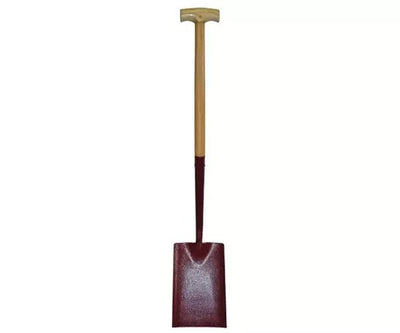
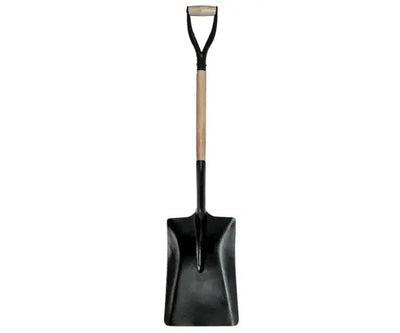
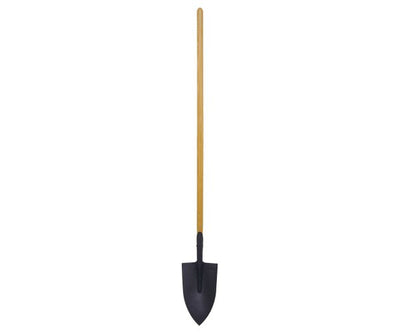
Square mouth shovels, such as the Roughneck Square Shovel and Faithfull Long Handled Square Shovel No.2, give a flat edge suited to scooping loose material like sand, gravel and debris, or cutting a clean, straight edge into soil. Round mouth shovels, like the Roughneck Sharp Edge Round Shovel, use a pointed, curved blade better suited to breaking into and lifting soil during general digging.
Drainage and trenching shovels
Narrower blades cut cleaner, more controlled trenches. The Roughneck Sharp-Edge Drainage Shovel and Long Handled Trenching Shovel are built for digging narrow channels for drainage and utility runs, while micro versions handle tighter, more precise digging in confined spaces.
Cable laying shovels
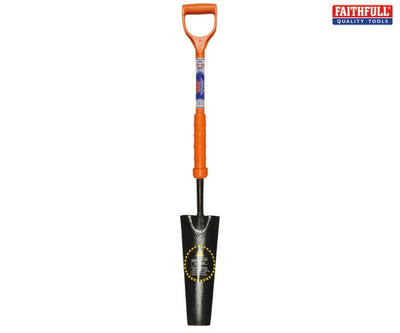
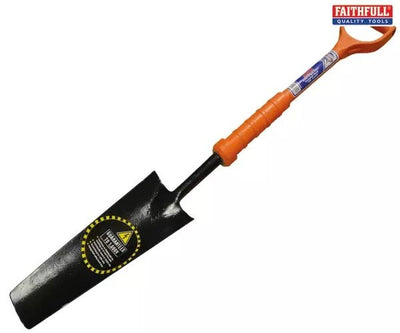
Cable laying shovels, including the Bulldog All-Steel Cable Laying Shovel and Faithfull Cable Laying Shovel with Fibreglass Insulated Shaft, use a narrow, pointed blade suited to digging alongside existing cables without damaging them. Insulated shaft versions, such as the Bulldog Insulated Cable Laying Shovel, add protection against accidental contact with live underground cables.
Taper mouth and general digging shovels
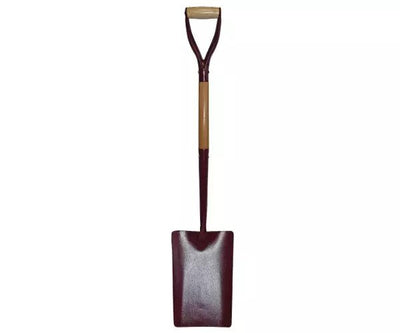
Taper mouth shovels, like the Faithfull All-Steel Taper Shovel No.2, narrow towards the tip for easier penetration into compacted or heavier ground, a good general-purpose choice for site and garden digging alike.
Handle materials and construction
All-steel shovels give a single-piece, joint-free construction that holds up well to heavy leverage and repeated use. Wooden handled shovels, often in FSC-certified ash, give a lighter feel and some natural shock absorption. Fibreglass insulated shafts, used on cable laying and drainage models, add durability along with electrical insulation for working near buried services.
Complete your digging kit
For forks, mattocks and other digging and turning tools to pair with your shovel, see our Digging & Turning range. For our full range of tools across every trade, browse the Tools section. If you're after seasonal advice on caring for your garden tools, read our Gardening Tools and Tips blog post.
Why buy your shovels from MTN Shop
All shovels sold here are genuine stock from Bulldog, Faithfull, Roughneck, Red Gorilla and Fiskars. We ship fast across the UK with straightforward returns on unused stock. For trade or bulk orders, request a quote and our team will confirm stock and lead time directly.