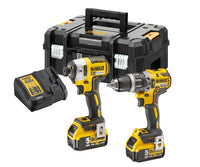
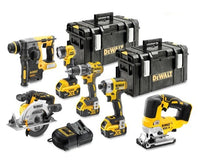
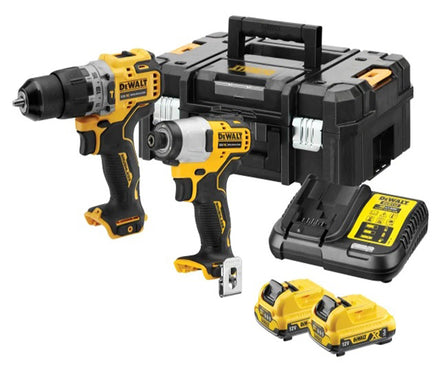
If you have ever stood in front of a wall of DeWALT tools, you are not alone. If you are looking to buy a new DeWALT driver and impact combo, understanding how these two tools work together is the first step to making the right purchase. The two look similar, both run on the same 18V XR battery platform, and both get lumped together as "drills" online.
But they are built for different jobs, and buying the wrong DeWALT drill and impact driver set means you either struggle through a task the tool was never designed for, or you spend money twice. In this guide we break down exactly what a DeWALT combi drill and a DeWALT impact driver do, how their specs compare side by side, and which one (or which combo) is right for your toolbox.
What is a DeWALT Combi Drill (Impact Drill) used for?
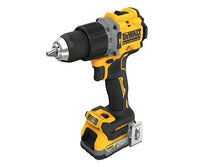
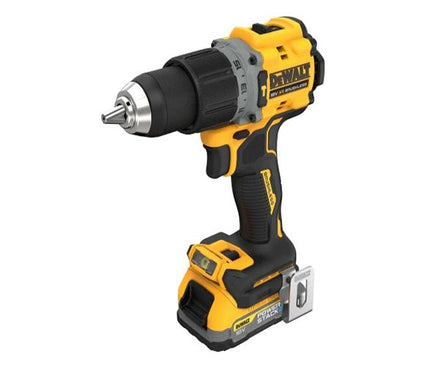
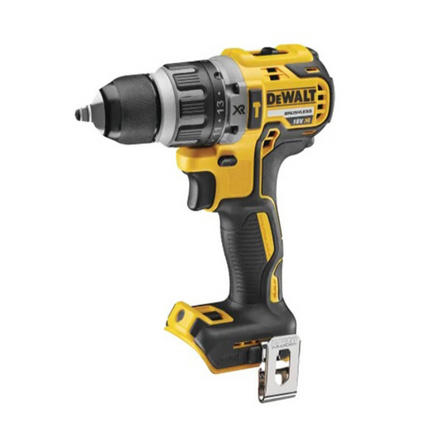
A combi drill (short for combination drill) is your all-rounder. It drills clean holes in wood, metal and masonry, drives screws at controlled torque, and switches into hammer mode when you need extra force to get through brick or block. The DeWALT DCD796 XR Brushless Combi Drill, for example, runs a two-speed all-metal transmission with a 13mm keyless chuck, a 15-position adjustable torque clutch for consistent screwdriving, and a hammer setting rated at 0-9,350 / 0-34,000 blows per minute for masonry work. You'll find the full range of combi hammer drills alongside other power drills in our store.
When a Combi Drill is the right call
- You need to drill actual holes, not just drive fasteners
- You are working across wood, metal and masonry in the same job
- You want one tool that can handle general DIY, flatpack assembly, shelving and light building work
- You only want to buy one 18V tool to start with
If most of your work involves making holes before you put anything into them, the combi drill is the tool doing the heavy lifting.
What is a DeWALT Impact Driver used for?
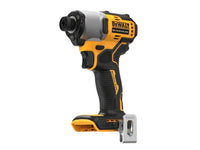
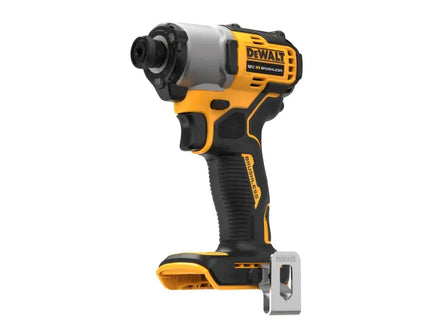
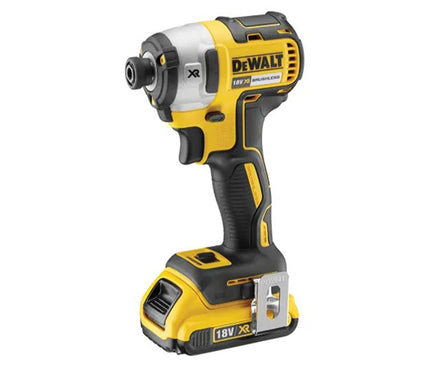
An impact driver is built for one thing above all else: driving fasteners fast, hard and without stalling. Instead of a hammer action, it uses rotational impacts, quick bursts of concussive force delivered to the 1/4in hex bit holder, which is why it can sink a long decking screw or a coach bolt in seconds without the tool kicking back in your wrist. The DeWALT DCF887 XR Brushless Impact Driver runs 3 motor speeds and torque settings (26/80/205Nm) with speeds up to 0-1,000 / 0-2,800 / 0-3,250rpm, plus a Precision Drive mode that softens the impact for delicate screwdriving so you do not strip fasteners or split timber.
When an Impact Driver is the right call
- You are driving high volumes of screws, lag bolts or coach screws
- You work with decking, timber framing, plasterboard or flat-pack furniture at scale
- You need serious torque without the bulk or weight of a heavier drill
- You already own a combi drill and want to stop burning out its clutch on fastening work
Where the combi drill makes the hole, the impact driver is what gets the fastener home, fast, and keeps going all day without draining the battery as quickly. Browse our full range of power tools to see how the two fit alongside everything else on your jobsite.
Which one do you actually need?
If you are only buying one tool right now, ask yourself what you spend more time doing: drilling holes, or driving screws. Most first-time buyers and weekend DIYers cover 80% of their jobs with a combi drill alone, since it drills and drives. Tradespeople and anyone doing repetitive fastening work (decking, stud walls, plasterboard, roofing) will feel the difference an impact driver makes almost immediately, both in speed and in how much less strain it puts on your wrist.
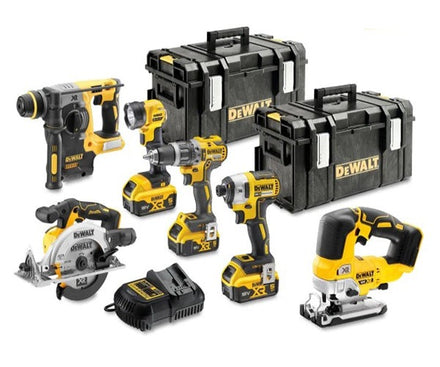
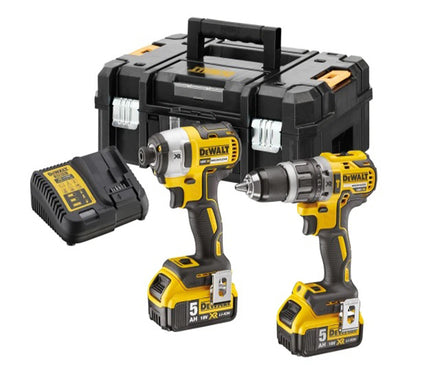
The honest answer for most serious DIYers and professionals is both. They are designed to complement each other, not compete, which is exactly why DeWALT sells them together in combo kits running off the same 18V XR batteries. You drill the pilot hole with the combi drill, then drive the fastener with the impact driver, without ever stopping to swap batteries or chargers.