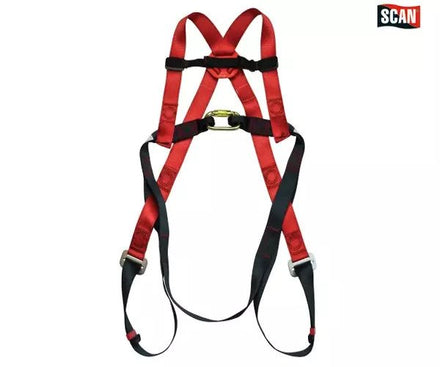
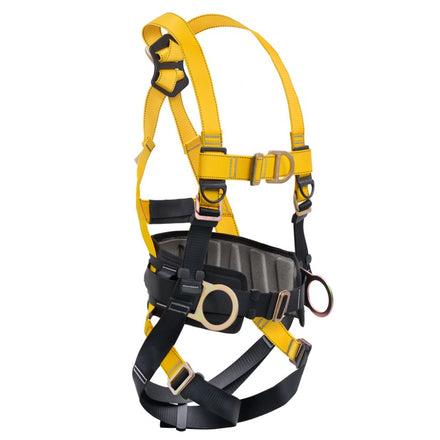
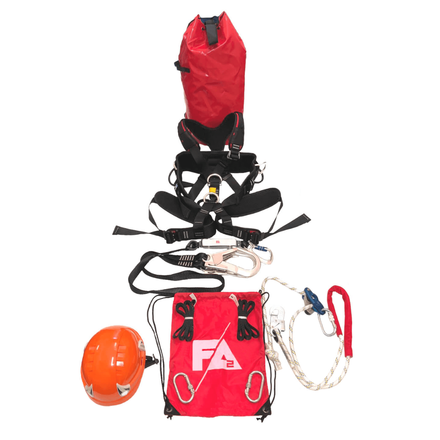
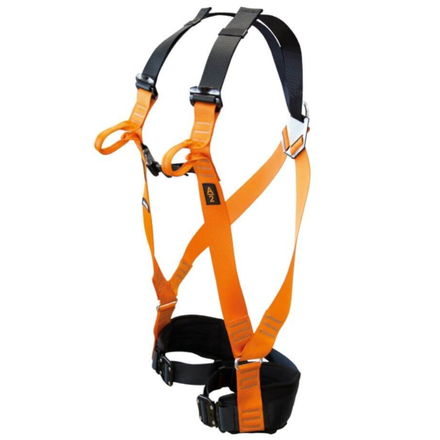
Safety harnesses are essential for working at height, but they should never be used without first being properly checked. Inspecting your safety harness before each use helps not only to identify visible damage, but also supports safer working practices, PPE regulations, and wider safety compliance on site.
A harness is one part of a wider fall protection system, alongside anchors and connectors. For a simple breakdown, read our guide to the ABC’s of fall protection.
Whether your full body harness is used every day or only occasionally, knowing what to check can help reduce avoidable risk. This guide explains the main types of harness inspection, how often checks should be carried out, and when equipment should be removed from service.
How Often Should Safety Harnesses Be Inspected?
Safety harnesses should be checked regularly to ensure they remain safe for the task at hand. A quick pre-use check before each use can help identify obvious signs of damage or wear.
A more detailed harness inspection should be carried out by a competent person as part of the employer’s planned inspection regime. The inspection frequency should consider the manufacturer’s instructions, how often the harness is used, the working environment, and the level of risk involved.
For fall arrest equipment made from webbing or rope, HSE guidance generally recommends a detailed inspection at least every six months.
For frequently used equipment, or equipment used in harsh conditions, inspections may need to be more frequent. In arduous environments such as demolition, scaffolding, steel erection, or work around sharp edges and protrusions, detailed inspections may be needed at least every three months.
Environmental factors can also affect inspection frequency. Dirt, grit, chemicals, abrasion, moisture, UV exposure, and general wear and tear can all contribute to deterioration.
Types of Safety Harness Inspections
A proper inspection regime usually includes three types of checks: pre-use checks, detailed inspections, and interim inspections where needed.
1. Pre-Use Checks
A pre-use check should be carried out every time before a full body safety harness is worn. This is a quick visual and hands-on check to make sure there are no obvious signs of damage or wear.
Before putting on the harness, check that the webbing is not cut, frayed, burned, or heavily worn. Look over the stitching, buckles, D-rings, straps, labels, and attachment points to make sure everything is secure and in good condition. For a detailed, step-by-step checklist you can follow on-site, download our PDF.
This check should be part of normal harness training and PPE training, so workers understand what to look for and when to stop using the equipment
2. Detailed Inspections
Detailed inspections are more formal checks carried out by a competent person and look more closely at the condition of the harness and help confirm whether it remains suitable for continued use. For UK workplaces, safety harness inspections should form part of the employer’s planned inspection regime. These inspections should be recorded and scheduled at suitable intervals based on the equipment type, frequency of use, working environment, risk assessment and manufacturer guidance.
For fall arrest equipment made from webbing or rope, HSE guidance recommends a detailed inspection at least every six months. For equipment that is used frequently, this may need to increase to at least every three months, particularly where the equipment is used in arduous environments.

A detailed inspection should check:
• The condition of the webbing and load-bearing straps
• Stitching for broken, loose, or pulled threads
• Buckles, adjusters, and connectors for distortion or corrosion
• D-rings and attachment points for cracks, wear, or deformation
• Labels and identification details
• Previous inspection records
• Signs of contamination, abrasion, UV damage, heat damage, or chemical exposure
If the harness fails inspection, it should be removed from service immediately and not used again until a competent person has confirmed it is safe to return to service.
3. Interim Inspections
Interim inspections are additional in-depth checks carried out between scheduled detailed inspections. They are not required for every harness in every situation, but they may be needed where the equipment is exposed to conditions that could cause significant deterioration before the next planned inspection.
This may include temporary or harsh working environments involving paints, chemicals, grit blasting, acidic or alkaline substances, heavy contamination, abrasion, or repeated exposure to outdoor conditions.
Where interim inspections are carried out, the results should also be recorded.