Choosing the right screwdriver is not just about size. Different screws use different drive types, and using the wrong screwdriver can damage the screw head, the tool or the material you are working on.
From flathead and Phillips screwdrivers to Torx, Pozidriv, hex and Robertson types, each screwdriver is designed for a specific screw shape and application.
In this guide, we explain the most common types of screwdrivers, what they are used for, and how to choose the right screwdriver for DIY, home repairs, furniture assembly, electronics and trade work.
How to Choose the Right Screwdriver

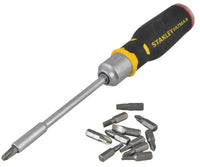
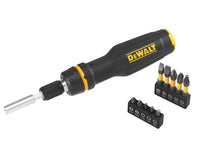
DeWALT Hand Tools Full Fit Telescoping Multi-bit Ratcheting Screwdriver + 10 Bits
Choosing the right screwdriver starts with matching the tip to the screw head. Flathead, Phillips, Pozidriv, Torx and hex screws each need the correct screwdriver shape. Using the wrong type can cause slipping, damage the screw head or make the job harder.
Size matters too. A screwdriver that is too small may not grip properly, while one that is too large may not fit the screw recess. Precision screwdrivers are better for small electronics and appliances, while standard screwdriver sets are useful for furniture, fixtures and everyday repairs.
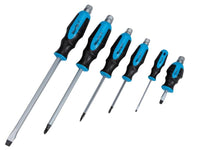
For most home and trade users, a screwdriver set with a mix of common sizes and drive types is the best starting point. A ratcheting, multi-bit or electric screwdriver can also be useful for repeated fastening or larger DIY jobs.
Common Parts of a Screwdriver
Before comparing screwdriver types, it helps to know the basic parts of the tool.
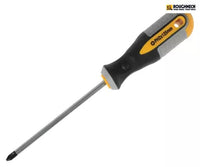
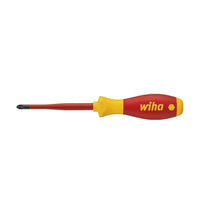
The tip fits into the screw head and changes depending on the screw type, such as flathead, Phillips, Torx or hex.
The shaft is the metal section between the handle and tip. Longer shafts can help reach deeper screws, while shorter shafts can give more control in tight spaces.
The handle is the part you grip while turning the screwdriver. A comfortable handle can make longer jobs easier and improve control.
Common Types of Screwdrivers and What They Are Used For
Each screwdriver type is designed to match a specific screw head. Choosing the right one helps improve grip, reduce slipping and avoid damaging the screw or material you are working on.