Whether you are decorating a single room, preparing walls for a renovation or completing professional painting work, having the right tools can make the job faster, cleaner and easier.
But with so many brushes, rollers, preparation tools and decorating accessories available, knowing what you actually need can be confusing. The best toolkit depends on the surface, the type of paint being used and the stage of the job.
From preparing surfaces and repairing imperfections to applying paint, protecting surrounding areas and removing old finishes, this guide explains the essential painting and decorating tools every painter should consider.
The type of paint and surface will also affect the tool you choose. Exterior wood projects such as sheds, fences and garden structures may require different preparation and application methods compared with indoor walls. For more advice on choosing the right coating, read our guide on the best shed and fence paint for outdoor wood.
What Tools Do You Need to Prepare Surfaces Before Painting?

A smooth, professional finish starts with proper surface preparation. Before applying paint, surfaces may need to be sanded, repaired, scraped or stripped to create the right base.
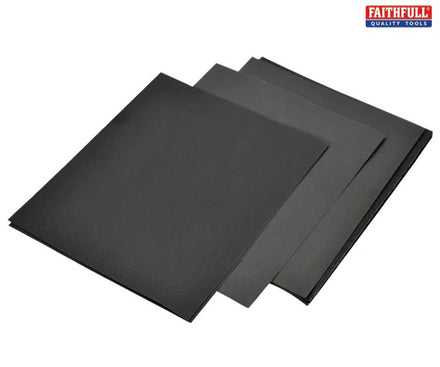
Sanding helps remove rough areas, smooth imperfections and prepare existing paintwork before applying a new finish. Products such as Faithfull Sanding Sheets are useful for preparing walls, woodwork and other surfaces.
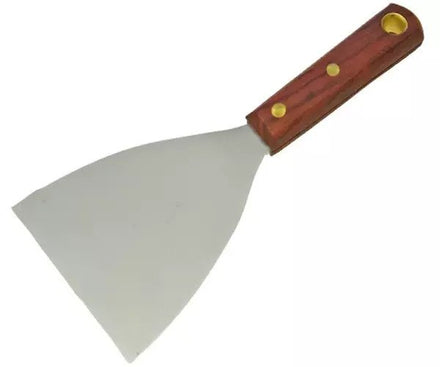
Filling and repairing damaged areas is an important step before painting. Filling knives, such as those from Faithfull, help apply and smooth filler over cracks, holes and uneven surfaces before sanding.
Scraping helps remove loose paint, old adhesive and flaking coatings that could affect the final finish. A quality scraper or stripping tool makes it easier to prepare older surfaces before decorating.
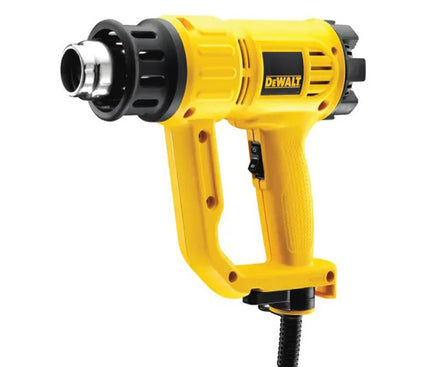
For tougher paint removal jobs, a heat gun such as a DeWALT Heat Gun can help soften old paint before scraping, making it useful for doors, frames, trim and detailed woodwork.
Taking time to prepare the surface properly helps paint apply more evenly and creates a cleaner, longer-lasting finish.
Which Paint Brushes and Rollers Are Best for Decorating?

The right paint brush or roller can make a big difference to the final finish. Different tools are designed for different surfaces and stages of the job, so choosing the right applicator helps improve coverage, control and consistency.
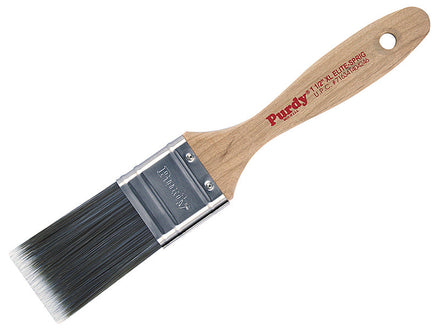
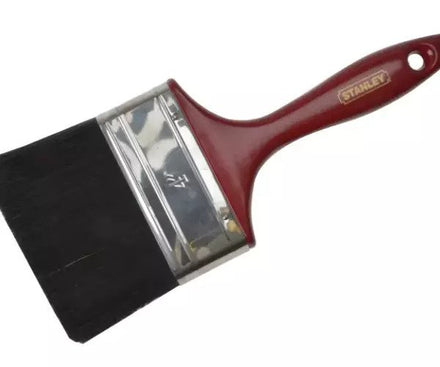
Paint brushes are best for areas where precision is important, such as cutting in around edges, corners, skirting boards, window frames and trim. A quality brush helps create cleaner lines and gives better control when working on detailed areas. Products such as Faithfull Synthetic Sash Brush Sets are useful for detailed decorating work, while professional brands such as Purdy are known for brushes designed for smooth, controlled finishes.
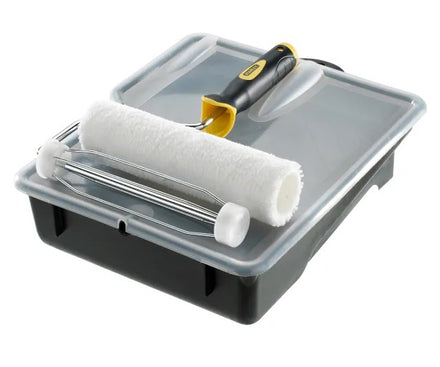
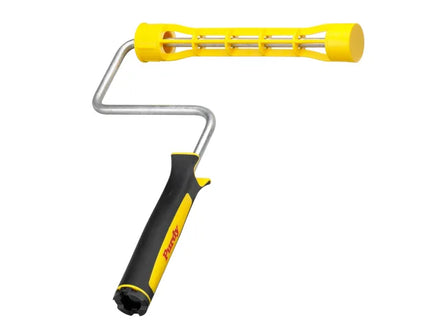
Paint rollers are better suited to covering larger areas such as walls and ceilings quickly and evenly. The roller sleeve you choose depends on the surface and paint type, with different finishes requiring different pile lengths. Products such as Faithfull Foam Mini Roller Refills are useful for smaller areas, touch-ups and smooth finishes.
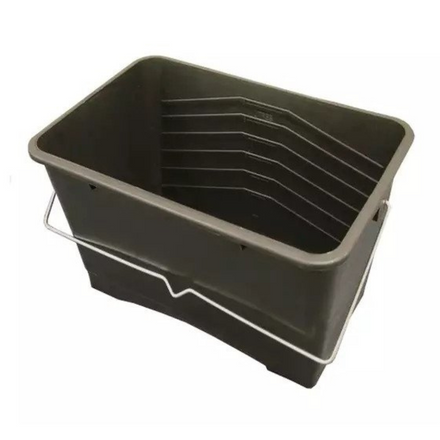
For larger decorating projects, paint trays, roller frames and scuttles help make the process more efficient. A Faithfull Paint Scuttle allows you to hold more paint than a standard tray, making it useful when working continuously with a roller.
Choosing the right combination of brushes, rollers and accessories helps achieve a more consistent finish while making the decorating process easier.
How Do You Protect Surfaces When Painting?

Protecting the surrounding area is an important part of any decorating job. The right masking and covering tools help prevent unwanted paint marks, reduce clean-up time and create sharper, more professional edges.
Masking tape is essential for protecting trims, skirting boards, windows and other areas where you want clean paint lines. Products such as Shurtape FrogTape or other professional masking tapes can help create sharper edges and reduce clean-up time.
Dust sheets and protective coverings help protect floors, furniture and finished surfaces from paint splashes, drips and sanding dust. Using suitable protection before starting a job can save significant time during clean-up and helps keep the workspace organised. Products such as Everbuild Cotton Dust Sheets provide practical protection during decorating projects.
After painting, proper clean-up tools help extend the life of brushes and rollers. Cleaning products such as Polycell Brush Cleaner can help remove leftover paint and keep decorating equipment ready for future projects.
A well-prepared workspace makes the whole decorating process easier, cleaner and more efficient.
What Tools Do You Need to Remove Wallpaper?

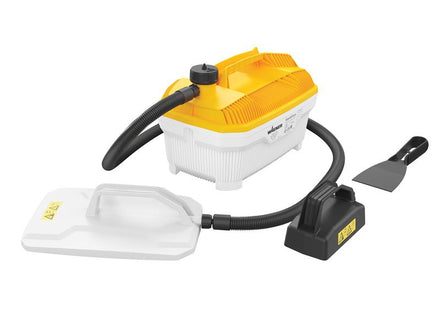
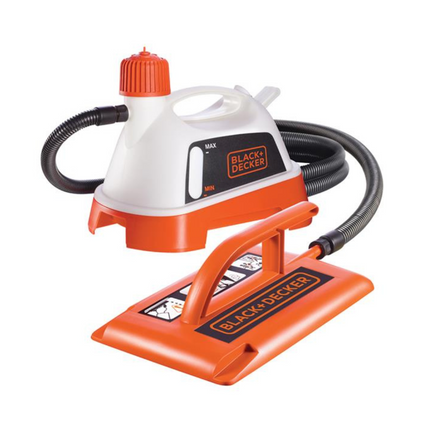
Removing old wallpaper is much easier with tools designed to loosen the paper and adhesive underneath. For larger areas or stubborn coverings, a wallpaper steamer can speed up the process before scraping.
Wagner SteamForce Wallpaper Strippers and BLACK+DECKER Wallpaper Strippers are practical options for removing wallpaper across larger walls, using steam to help loosen the adhesive and make the paper easier to remove.
Once loosened, a wallpaper scraper or stripping tool can be used to remove the remaining paper and adhesive before the wall is repaired, sanded and prepared for painting.