POWER TOOLS

Types of Power Saws: How to Choose the Right One

Learn about the main types of power saws, what each one is best used for and the key factors to consider when choosing the right saw for your next project.


Types of Power Saws: How to Choose the Right One

A good power saw is an essential addition to many workshops, helping make quick and accurate cuts across materials such as wood, metal, plastic and masonry. With several different saw types available, choosing the right one depends on the material you’re cutting, the type of cut required and how you plan to use the tool.

In this guide, we’ll look at the main types of power saws, what each one is designed for and the key factors to consider when choosing the right option for your next project.

Common Types of Power Saws

Some of the most common power saws include circular saws, jigsaws, reciprocating saws and mitre saws, with each designed for different types of cuts and materials. Below, we’ll look at how each saw works, what it’s best suited for and where it can be most useful.

1 Circular Saws

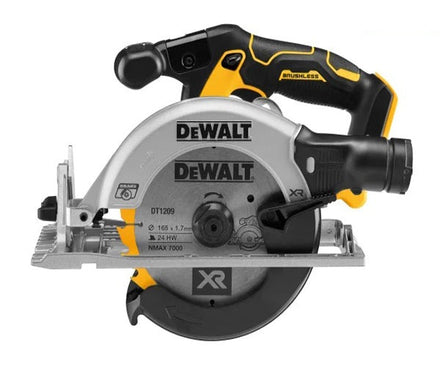
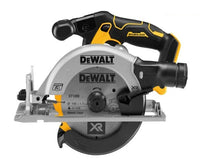
Circular saws are versatile cutting tools commonly used for making fast, straight cuts through materials such as timber, sheet materials and, when fitted with the appropriate blade, certain metals and plastics.

Their handheld design makes them particularly useful for jobs where the material is too large or awkward to bring to a stationary saw. Circular saws are available in a range of blade sizes and both corded and cordless configurations, allowing you to choose a model based on the required cutting depth, power and portability.

For tasks such as cutting timber to length, breaking down sheet material or making repeated straight cuts on site, a circular saw is often one of the most practical options.


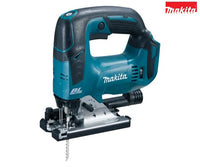
2. Jigsaws

Jigsaws are versatile power saws designed for making curved, shaped and intricate cuts, as well as shorter straight cuts. With the correct blade, they can be used on materials such as wood, plastic and certain metals.

Their compact design makes them easy to manoeuvre, which is especially useful for detailed woodworking, cut-outs and jobs where a circular saw would be too large or difficult to control. Different blade types and speed settings also allow the saw to be adapted to a range of materials and cutting tasks.

For DIY projects, carpentry and general workshop use, a jigsaw is a practical choice when precision and flexibility are more important than making long, fast straight cuts.


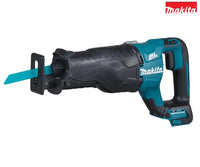
3. Reciprocating Saws

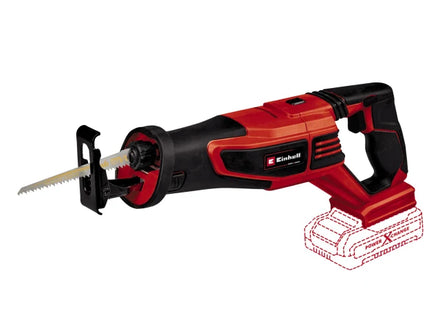
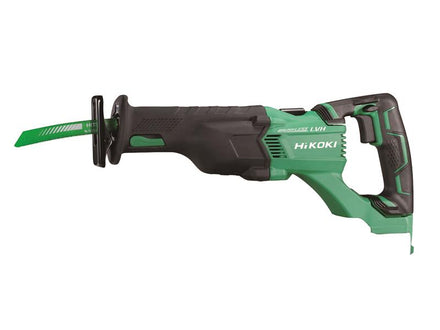
Reciprocating saws use a blade that moves rapidly backwards and forwards, making them particularly useful for fast, rough cutting and demolition work. With the correct blade, they can cut through materials such as wood, metal, plastic and other construction materials.

Their main advantage is versatility. Reciprocating saws are well suited to jobs where speed and access are more important than a perfectly clean finish, such as cutting through timber, pipework, fixings or old materials during renovation and dismantling work.

Reciprocating saws are available in both corded and cordless versions. Corded models provide continuous power when an electrical supply is available, while cordless lithium-ion models offer greater freedom of movement and are particularly useful on job sites or in areas where access to mains power is limited.

When choosing between the two, consider where the saw will be used, how long you expect to work for and whether portability or continuous power is the greater priority.


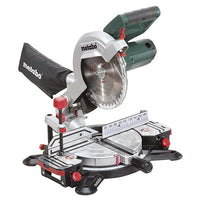
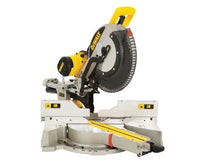
4. Mitre Saws

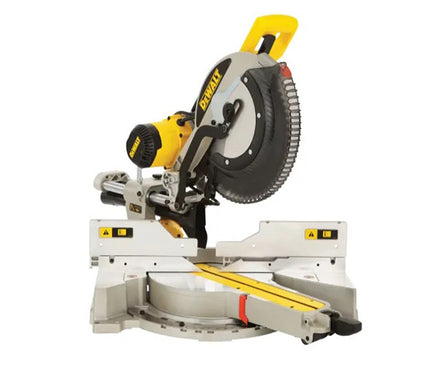
Mitre saws are designed for making accurate crosscuts and angled cuts, making them especially useful for carpentry, joinery and finishing work. They are commonly used for cutting timber, mouldings, skirting boards and framing materials to a precise length or angle.

Most mitre saws allow the blade to pivot for angled cuts, while compound models can also tilt to create bevel cuts. Sliding mitre saws offer even greater cutting capacity by allowing the blade assembly to move forwards and backwards across wider workpieces.

For jobs that require repeatable, precise cuts, particularly when working with timber and trim, a mitre saw is often a better choice than a handheld saw.


5. Plunge Saws

Plunge saws are designed for making accurate straight cuts with a controlled entry point, allowing the blade to be lowered directly into the material rather than starting from the edge. They are commonly used for cutting sheet materials, worktops, doors and panels where a clean, precise finish is important.

Most plunge saws are used with a guide rail, which helps keep the cut straight and reduces the risk of the saw wandering. This makes them especially useful for long cuts in plywood, MDF and other sheet materials.

For jobs that require clean, precise cuts with minimal tear-out, particularly in large panels or fitted materials, a plunge saw is often a better choice than a standard circular saw.


6. Bandsaws

Bandsaws use a continuous looped blade that runs around two wheels, making them well suited to controlled cutting through materials such as wood, plastic and certain metals when the appropriate blade is fitted.

They are particularly useful for curved cuts, resawing and cutting thicker workpieces, where a jigsaw may not offer enough capacity or stability. Because the blade moves continuously in one direction, bandsaws can also provide smooth, consistent cuts with good control.

For workshop-based projects that involve repeated curved cuts, thicker timber or more precise shaping, a bandsaw can be a highly versatile option.


7. Table Saws

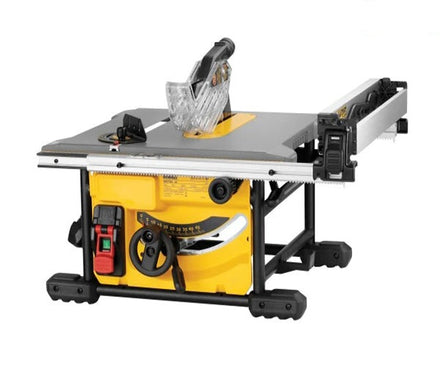
Table saws are designed for making straight, accurate cuts through larger pieces of material, particularly timber and sheet goods. The blade is mounted beneath a flat table surface, allowing the workpiece to be guided through the blade for greater stability and control.

They are especially useful for rip cuts, crosscuts and repeated cuts, making them a common choice for workshop-based woodworking and carpentry. Adjustable fences and blade settings also help improve consistency when cutting multiple pieces to the same size.

For projects that involve larger workpieces, repeated straight cuts or higher-volume workshop cutting, a table saw can offer more control and efficiency than a handheld saw.


  • Factors to Consider When Choosing a Power Saw
    1. Type of CutConsider whether you need straight cuts, curved cuts, plunge cuts, angled cuts or rough demolition work. Different saw types are designed around different cutting styles.
    2. MaterialThink about what you’ll be cutting most often, such as timber, sheet material, metal, plastic or masonry. The saw type and blade both need to be suitable for the material.
    3. Corded vs CordlessCorded saws provide continuous power when a mains supply is available, making them useful for longer workshop tasks. Cordless saws offer greater portability and freedom of movement, which can be especially useful on job sites or where power access is limited.
    4. Blade Size & Cutting CapacityBlade size affects how deeply or widely the saw can cut. For thicker materials or larger workpieces, check the maximum cutting capacity before choosing a model.
    5. Power & PerformanceMore demanding cutting tasks may require greater motor power or higher battery voltage. Match the saw’s performance to the type and frequency of work you expect to carry out.
    6. Battery RuntimeFor cordless saws, consider battery capacity, charging time and whether you already use tools from the same battery platform.
    7. Portability & WorkspaceA handheld saw may be better for site work or larger materials, while stationary tools such as table saws and bandsaws are more suited to dedicated workshop setups.

View Featured Products

DeWalt DCS565N XR Brushless Circular Saw 18V Bare Unit
DeWalt DCS565N XR Brushless Circular Saw 18V Bare Unit£129.40
Evolution  R185CCS Circular Saw 185mm 1600W 240V
Evolution R185CCS Circular Saw 185mm 1600W 240V£62.94
Bosch GKS 18V-57-2 GX Professional Circular Saw 18V Bare Unit
Bosch GKS 18V-57-2 GX Professional Circular Saw 18V Bare Unit£228.40
Einhell TE-CS 18/190 Li BL - Solo Circular Saw 18V Bare Unit
Einhell TE-CS 18/190 Li BL - Solo Circular Saw 18V Bare Unit£112.29
Makita DCS553ZJ LXT Metal Circular Saw 18V Bare Unit
Makita DCS553ZJ LXT Metal Circular Saw 18V Bare Unit£270.91
Einhell TP-JST 18/135 Li BL-Solo Power X-Change Jigsaw 18V Bare Unit
Einhell TP-JST 18/135 Li BL-Solo Power X-Change Jigsaw 18V Bare Unit£97.95
Bosch GST 18V-125 S Professional Jigsaw 18V Bare Unit
Bosch GST 18V-125 S Professional Jigsaw 18V Bare Unit£165.98
HiKOKI CJ90VST2J1Z Jigsaw 705W 110V
HiKOKI CJ90VST2J1Z Jigsaw 705W 110V£83.53
DeWalt DCS335N XR Brushless Body Grip Jigsaw 18V Bare Unit
DeWalt DCS335N XR Brushless Body Grip Jigsaw 18V Bare Unit£193.18
Makita DJV182Z Brushless Jigsaw 18V Bare Unit
Makita DJV182Z Brushless Jigsaw 18V Bare Unit£174.55
Einhell TP-AP 18/28 Li BL - Solo Brushless Reciprocating Saw 18V Bare Unit
Einhell TP-AP 18/28 Li BL - Solo Brushless Reciprocating Saw 18V Bare Unit£76.79
HiKOKI CR18DBLJ4Z Brushless Reciprocating Saw 18V Bare Unit
HiKOKI CR18DBLJ4Z Brushless Reciprocating Saw 18V Bare Unit£154.12
DeWalt DW305PKL Reciprocating Saw 1100W 110V
DeWalt DW305PKL Reciprocating Saw 1100W 110V£132.94
Makita DJR187Z LXT Brushless Reciprocating Saw 18V Bare Unit
Makita DJR187Z LXT Brushless Reciprocating Saw 18V Bare Unit£193.64
Metabo KS 216 216mm Mitre Saw Lasercut 1350W 240V
Metabo KS 216 216mm Mitre Saw Lasercut 1350W 240V£94.11
Einhell TE-SM 36/210 Li-Solo Power X-Change Sliding Mitre Saw 18V Bare Unit
Einhell TE-SM 36/210 Li-Solo Power X-Change Sliding Mitre Saw 18V Bare Unit£160.99
Evolution  R185SMS-Li EXT Sliding Mitre Saw 18V 1 x 4.0Ah Li-ion
Evolution R185SMS-Li EXT Sliding Mitre Saw 18V 1 x 4.0Ah Li-ion£213.35
Makita LS003GZ01 XGT 40Vmax Slide Compound Mitre Saw 40V Bare Unit
Makita LS003GZ01 XGT 40Vmax Slide Compound Mitre Saw 40V Bare Unit£711.11
DeWalt DWS780 Sliding Compound Mitre Saw 305mm 1675W 110V
DeWalt DWS780 Sliding Compound Mitre Saw 305mm 1675W 110V£611.10
Einhell TE-PS 165 Plunge Saw 1200W 240V
Einhell TE-PS 165 Plunge Saw 1200W 240V£78.27
DeWalt DWS520KT Heavy-Duty Plunge Saw 1300W 240V
DeWalt DWS520KT Heavy-Duty Plunge Saw 1300W 240V£560.97
DSP600ZJ Brushless LXT Plunge Saw 36V (2 x 18V) Bare Unit
DSP600ZJ Brushless LXT Plunge Saw 36V (2 x 18V) Bare Unit£366.22
Einhell TE-MB 18/127 Li-Solo Power X-Change Bandsaw 18V Bare Unit
Einhell TE-MB 18/127 Li-Solo Power X-Change Bandsaw 18V Bare Unit£130.42
DEWALT DCS378N XR Brushless Bandsaw 18V Bare Unit
DEWALT DCS378N XR Brushless Bandsaw 18V Bare Unit£343.33
Bosch GCB 18V-63 Professional Band Saw 18V Bare Unit
Bosch GCB 18V-63 Professional Band Saw 18V Bare Unit£176.27
Record Power BS250 Benchtop Bandsaw 350W 240V
Record Power BS250 Benchtop Bandsaw 350W 240V£278.04
Metabo BAS 318 Precision WNB Bandsaw 900W 240V
Metabo BAS 318 Precision WNB Bandsaw 900W 240V£456.67
Einhell  TC-TS 2025/2 U Table Saw 1800W 240V
Einhell TC-TS 2025/2 U Table Saw 1800W 240V£114.71
Bosch GTS 635-216 Professional Table Saw 1600W 240V
Bosch GTS 635-216 Professional Table Saw 1600W 240V£382.26
Metabo TS254M Table Saw 1500W 240V
Metabo TS254M Table Saw 1500W 240V£308.89
Evolution  FURY5-S Plus Multi-Purpose Table Saw 1500W 240V
Evolution FURY5-S Plus Multi-Purpose Table Saw 1500W 240V£178.41
DeWalt DWE7485 Compact Table Saw 1850W 110V
DeWalt DWE7485 Compact Table Saw 1850W 110V£411.10

Choosing the Right Power Saw for the Job

The right power saw depends on the work you need to do. Circular saws are ideal for fast, straight cuts, jigsaws offer greater flexibility for curved and detailed work, while reciprocating saws, mitre saws, plunge saws, bandsaws and table saws each provide different advantages depending on the application.

Before choosing a saw, consider the material you’ll be cutting, the type of cut required, cutting capacity, power source and working environment. Matching these requirements to the right type of saw will help you work more efficiently and achieve better results.

Browse our complete power saw range to find the right cutting tool for your next project.

Frequently Asked Questions


Common types of power saws include circular saws, jigsaws, reciprocating saws, mitre saws, plunge saws, bandsaws and table saws. Each is designed for different types of cuts, materials and working environments.
Circular saws are a practical choice for fast, straight cuts through timber and sheet materials. For more precise straight cuts, especially when working with large panels, a plunge saw with a guide rail may be more suitable.
A jigsaw is well suited to curved, shaped and intricate cuts, particularly in wood, plastic and certain metals. Bandsaws can also be useful for controlled curved cutting in workshop-based applications.
A circular saw is a handheld tool designed mainly for portable straight cutting, while a mitre saw is a stationary tool designed for accurate crosscuts, angled cuts and repeatable cutting of timber and trim.
Corded saws provide continuous power when a mains supply is available, while cordless saws offer greater portability and freedom of movement. The better option depends on where you will be working and how long the saw needs to run.
Consider the material being cut, type of cut required, blade size, cutting capacity, power source, portability and battery runtime. Matching these factors to the job will help you choose the most suitable saw.

Contact Us

Have a question about our products? Get in touch and our team will get back to you.

Contact Us

Request a Quote

Need pricing for a larger order or a custom configuration? Request a tailored quote.

Request a Quote

Subscribe

Get product news and exclusive offers straight to your inbox.