Learn 11 practical tips for choosing and using drills and drill bits, from selecting the right equipment to securing your workpiece and drilling safely.
Drills are available in a wide range of types and configurations, each designed for different applications. From drill drivers and combi hammer drills to percussion, rotary, SDS and demolition drills, choosing the right tool and drill bit can make a significant difference to drilling performance and safety.
In this guide, we’ll cover 11 practical tips for choosing, using and maintaining drills and drill bits, including selecting the right equipment, securing your workpiece, controlling drilling speed and using appropriate protective equipment.
1. Match the Drill and Bit to the Application
Different drills and drill bits are designed for different materials and applications, so choosing the right combination is an important first step. A bit designed for wood, for example, may not be suitable for drilling into concrete or metal.
Consider the material you are drilling, the required hole diameter and depth, and the type of drill being used before starting work. Always check the manufacturer's recommendations for the drill and bit to ensure they are suitable for the intended application.
Using the correct combination can help improve drilling performance, reduce wear on the equipment and produce a cleaner, more accurate hole.
Drilling can produce chips, dust and small fragments of material, which can become airborne during use. Wearing suitable eye protection helps protect your eyes from these particles and is an important precaution when drilling.
Use safety glasses or other appropriate eye protection that is suitable for the task and provides adequate coverage. Additional face protection may be appropriate for certain applications where there is a greater risk of flying debris.
Eye protection should be worn whenever the drilling process creates a risk of particles or fragments being ejected from the workpiece.
A drill bit in good condition will generally provide cleaner and more efficient drilling than one that is worn or damaged. Blunt bits can require more force to achieve the desired result and may generate additional heat during use.
Inspect drill bits regularly for wear, damage or signs of overheating, and replace them when they are no longer suitable for the application. Keeping a selection of appropriate replacement bits available can also help avoid using a worn bit simply because it is the only one to hand.
For specialist bits, follow the manufacturer's recommendations for maintenance or sharpening rather than assuming that every type can be sharpened in the same way.
A pilot hole can help guide a larger drill bit and improve accuracy when creating larger holes. It can also help prevent the larger bit from wandering when starting the hole.
The appropriate pilot hole size will depend on the material, final hole diameter and type of drill bit being used, so check the manufacturer's recommendations where available.
A pilot hole isn't necessary for every drilling application, but it can be particularly useful when precision is important or when working up to a larger hole size.
For creating larger holes, pilot drills and cutting holesaws can be used.
Always make sure the material you are drilling is properly supported and secured before starting. A loose workpiece can move or rotate during drilling, affecting the accuracy of the hole and potentially creating a safety hazard.
Use an appropriate clamp, vice or other suitable securing method to hold the workpiece in position. Avoid relying on your hand to hold smaller pieces steady while operating the drill.
Securing the material also allows you to maintain better control of the drill, helping you work more accurately and comfortably.
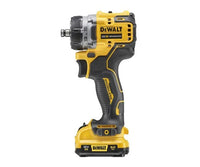
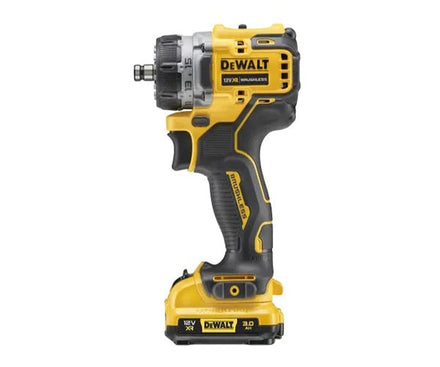
Not every drill is suited to every application. When choosing a drill, consider the type of work you need to carry out and the materials you will be working with.
Important factors include cordless or corded operation, power, speed settings, chuck type and capacity, torque, size and intended application. For example, a standard drill may be suitable for general drilling and screwdriving, while a hammer or rotary hammer drill is better suited to drilling into masonry and concrete.
Choosing a drill that matches the job can improve performance while making the tool easier to control.
Applying excessive pressure while drilling does not necessarily make the job faster. Too much force can increase wear on the drill bit, generate additional heat and make the tool more difficult to control.
Allow the drill and bit to do the work, applying enough pressure to maintain steady contact with the material without forcing the tool. The amount of pressure required will vary depending on the material, bit and type of drill being used.
If a drill bit is struggling to cut effectively, check that you are using the correct bit and drilling settings rather than simply increasing the pressure.
8. Choose the Correct Drill Bit
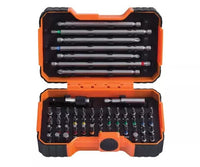
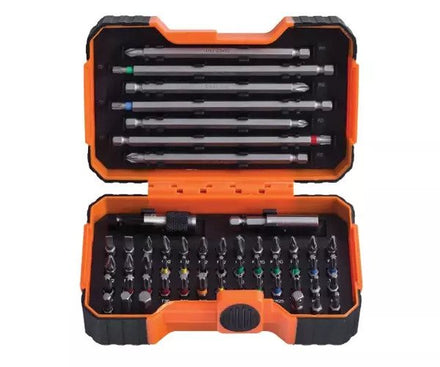
Choosing the right drill bit is just as important as choosing the right drill. Drill bits are designed for specific materials and applications, so consider the material, hole size, required depth and drill type before selecting a bit.
You should also check the shank type and size to ensure the bit is compatible with your drill's chuck or toolholder. Specialist coatings and materials can also affect a bit's suitability, particularly when drilling harder materials or carrying out repetitive work.
Using the correct bit can improve cutting performance, extend tool life and help produce cleaner, more consistent holes.
The correct drilling speed depends on the material, drill bit and diameter of the hole. Starting at an appropriate speed can help maintain control and reduce unnecessary heat and wear.
For many applications, it is useful to begin drilling at a controlled speed before increasing it where appropriate. When drilling metal, the correct speed is particularly important because excessive speed can generate heat and accelerate wear on the bit.
Always follow the drill and drill-bit manufacturer's recommendations for the appropriate speed and settings for the application.
10. Clear Chips & Debris Safely
Drilling produces chips, dust and other debris that can build up around the work area or on the workpiece. Excessive debris can affect visibility and, depending on the material and application, may contribute to heat build-up around the drill bit.
Keep the work area clear and use an appropriate method of removing debris, such as dust extraction or suitable cleaning equipment. Never attempt to remove material from around a rotating drill bit with your hands.
If debris needs to be cleared from the drill or workpiece, stop the tool first and allow moving components to come to a complete stop.
Rotating drills and accessories can catch loose clothing, jewellery, long hair or other items, creating a serious entanglement hazard.
Wear suitable close-fitting workwear, secure long hair and remove loose jewellery before operating a drill. Keep hands away from rotating components and make sure guards or other protective features are correctly positioned where applicable.
Taking a few seconds to check your clothing and surroundings before starting can help reduce the risk of entanglement while drilling.
Using a drill safely and effectively starts with choosing equipment that matches the application. Selecting the right drill and bit, securing the workpiece, using appropriate settings and wearing suitable PPE can all help improve both drilling results and safety.
Whether you're looking for a cordless drill, combi drill, hammer drill or specialist drill bits, MTN SHOP offers a range of tools and accessories for trade, workshop and DIY applications.
Frequently Asked Questions
Consider the application, material, power, speed settings, chuck type and capacity, and whether a corded or cordless drill is most suitable.
No. A pilot hole isn't necessary for every application, but it can help improve accuracy when creating larger holes or when preventing a larger bit from wandering is important.
Use enough pressure to maintain steady contact between the bit and material, but avoid forcing the drill. Excessive pressure can increase heat, wear and the risk of damaging the bit.
HSS and other metal-specific drill bits are designed for drilling metal. Always check that the bit is suitable for the specific material and application.
Use a masonry drill bit for suitable masonry applications, or an SDS bit with a compatible SDS drill for heavier-duty drilling.
Dust extraction can help capture dust and debris at source, keeping the work area cleaner and reducing airborne dust during suitable drilling applications.